Thursday, October 6, 2016

My 200 Favorite Games: 200-150

Because the dumb shit I do on my breaks at work has to mean something

200) Fable II. Lionhead Studios, 2008.


An  incredibly disappointing and incredibly enriching action-RPG. Often at the same time.

199) Star Wars: Bounty Hunter. LucasArts, 2002.

One of the least terrible prequel tie ins fights through some wonky controls to provide a straightforwardly satisfying action title.

198) Mortal Kombat. NetherRealm Studios, 2011.

A rebirth of the classic fighting game is constantly at war with its own self-seriousness.

197) Tony Hawk's Underground. Neversoft, 2003.

A surprisingly captivating story mode helps stave off extreme sports game fatigue in the last good Tony Hawk game.

196) Sunset Overdrive. Insomniac Games, 2014.

Vibrant art design and the slickest movement this side of Jet Set Radio save a sometimes incredibly unfunny Xbox exclusive.

195) Star Wars: The Force Unleashed. LucasArts, 2008.

The last LucasArts game of any quality to bear the Star Wars brand is a mirthless Stormtrooper killing simulator

194) DBZ: Budokai 2. Dimps, 2004

An incredibly slick fighting engine powers what was until recently the best Dragon Ball game of them all.

193) Sonic Adventure 2: Battle. Sonic Team USA, 2001
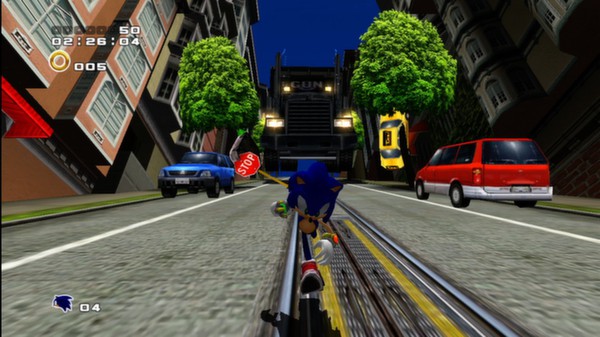
MUST. RAISE. A. CHAO,  Also some Sonic stuff I guess.

192) Call of Duty: Modern Warfare 2. Infinity Ward, 2009.

Hey look, it's the exact moment Call of Duty became insufferable. Lance Henrikson is a cool villain, though.

191) Murdered Soul Suspect. Airtight Games, 2014.
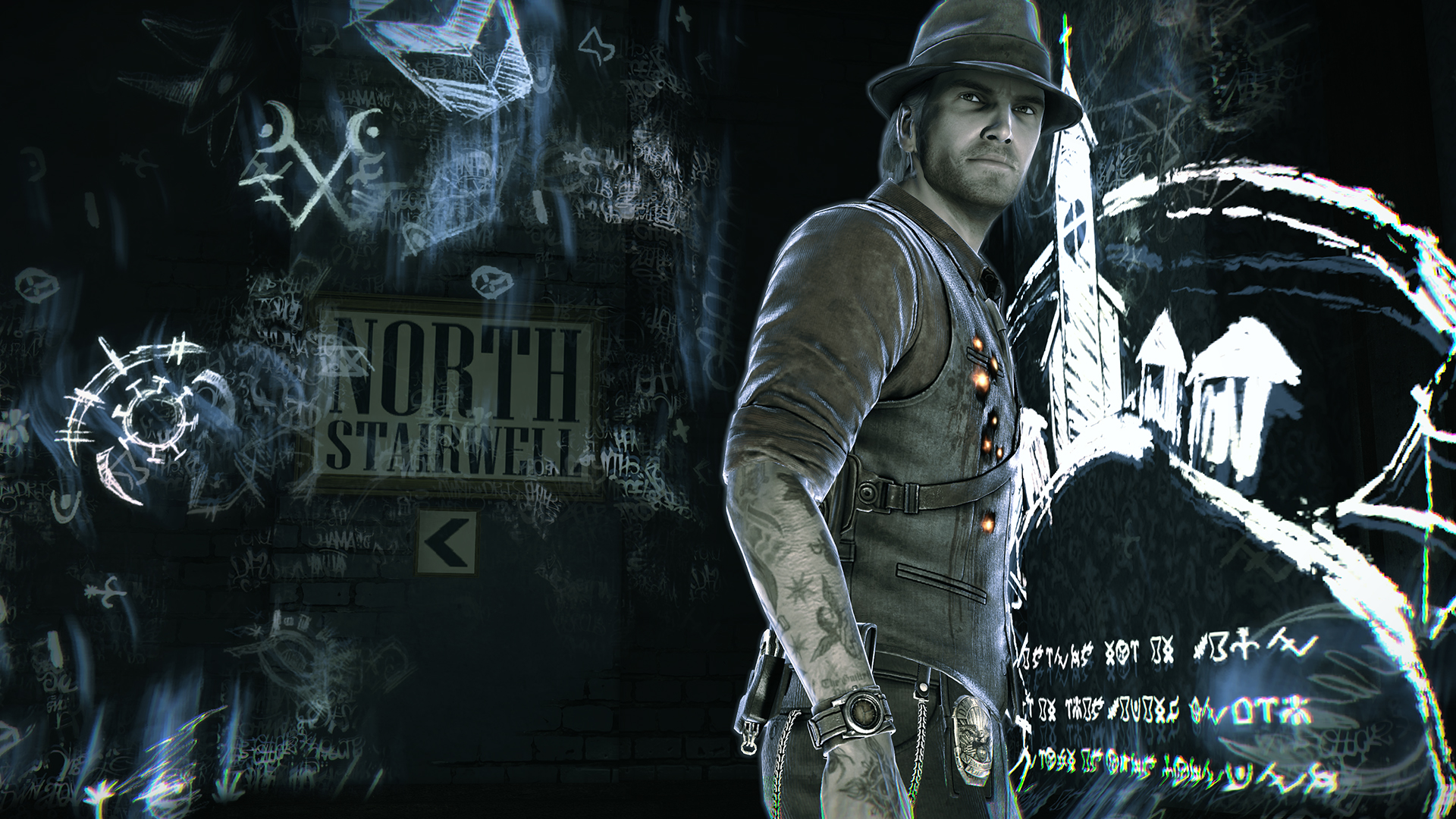
One of the more unique games on this list has its own struggles to deal with, but is just charming enough to be worth recommending.

190) Assassin's Creed Brotherhood. Ubisoft Montreal, 2010.
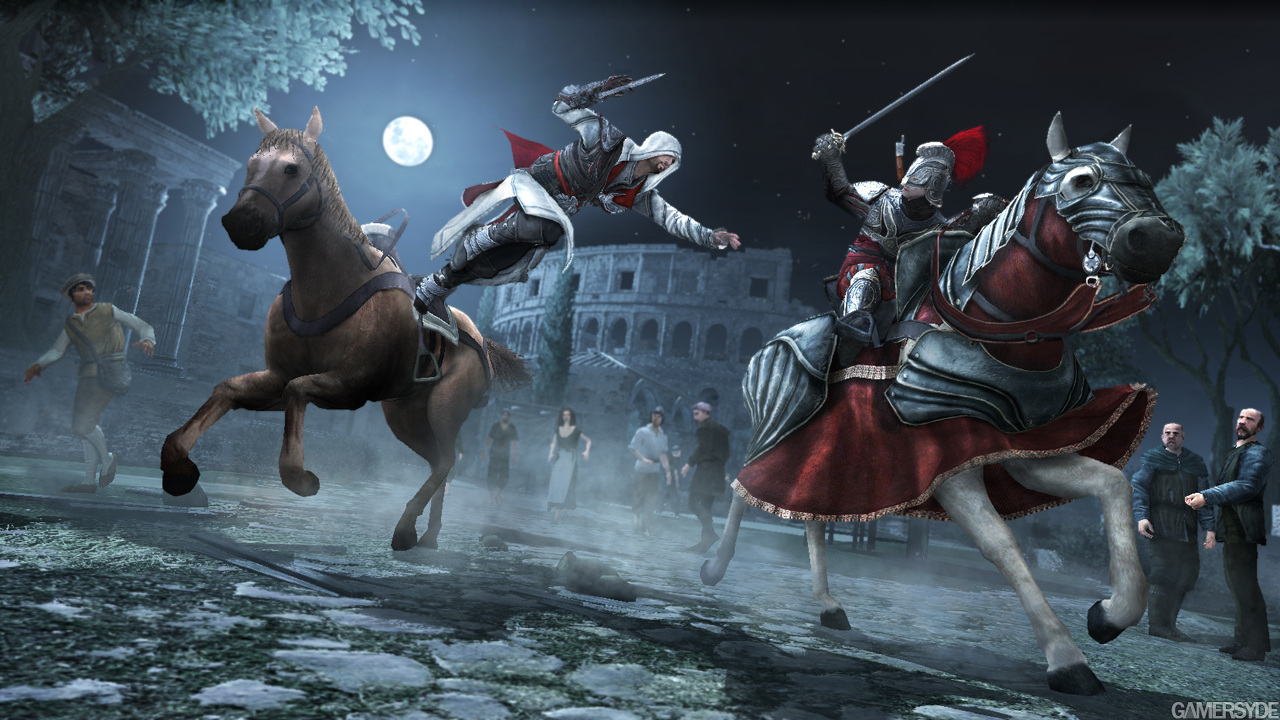
Probably the best single Assassin's Creed location, Rome, plays host to a varied, fun game that gets in just on the right side of the series' decline.

189) Star Wars Rogue Squadron III: Rebel Strike. Factor5, 2003.

The last Rogue Squadron game suffers from some bloat and some wonky level design but still proves itself worth the effort.

188) Fable III. Lionhead Studios, 2010.

It was supposed to Peter Molyneux's magnum opus. It ended up being just pretty good.

187) X-Men Legends. Raven Software, 2004.
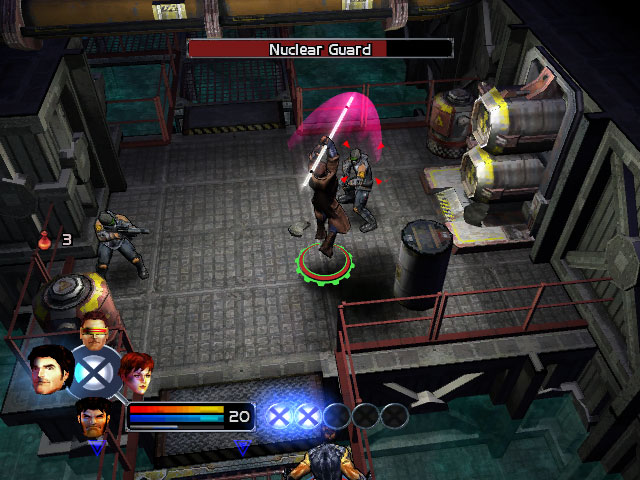
Who knew that a multiplayer dungeon crawler would be the best way to encapsulate the X-Men as a concept? Oh, everyone.

186) Advent Rising. GlyphX Games, 2005.

A charmingly original sci-fi IP that never picked up enough steam to get a continuation is still worth experiencing.

185) Resident Evil 5. Capcom, 2009.

The Resident Evil formula has yet to run thin in one of the more surprisingly fun cooperative games of last decade.

184) Lord of the Rings: The Third Age. EA Redwood Shores, 2004.

One of the last high profile classic turn based RPGs takes some questionable liberties with its source material but ends up being a worthwhile experience.

183) Castle Crashers. The Behemoth, 2008.

If there's a more straightforwardly enjoyable co-op side scroller, I've never played it.

182) Star Wars Republic Commando. LucasArts, 2005.

A harder-edged, grittier take on the prequels can't escape being a by the numbers shooter, but at least it's a good one.

181) Injustice: Gods Among Us. NetherRealm Studios, 2013.

NetherRealm's DC beat-em-up is more Mortal Kombat than Justice League Unlimited, but it has its moments.

180) Dead Space 3. Visceral Games, 2013.

When Dead Space 3 is good, it's the best of its kind I've ever played. When it's not, it's downright painful.

179) X-Men Legends II: Rise of Apocalypse. Raven Software, 2005.

One of the better examples of a sequel outpacing its predecessor that I can recall, XML2 is bigger, badder and smoother. It's a shame these games didn't continue.

178) Guitar Hero II. Harmonix, 2006.

The grand daddy of all music games hasn't aged as well as you'd think.

177) Soul Calibur II. Project Soul, 2002.

Probably my favorite fighting game of all time, SCII hits all the right spots, and very few of the wrong ones.

176) Pikmin. Nintendo, 2001.

A wonderfully inventive game that never really gets going after its initial premise.

175) Evolve. Turtle Rock Studios, 2015.
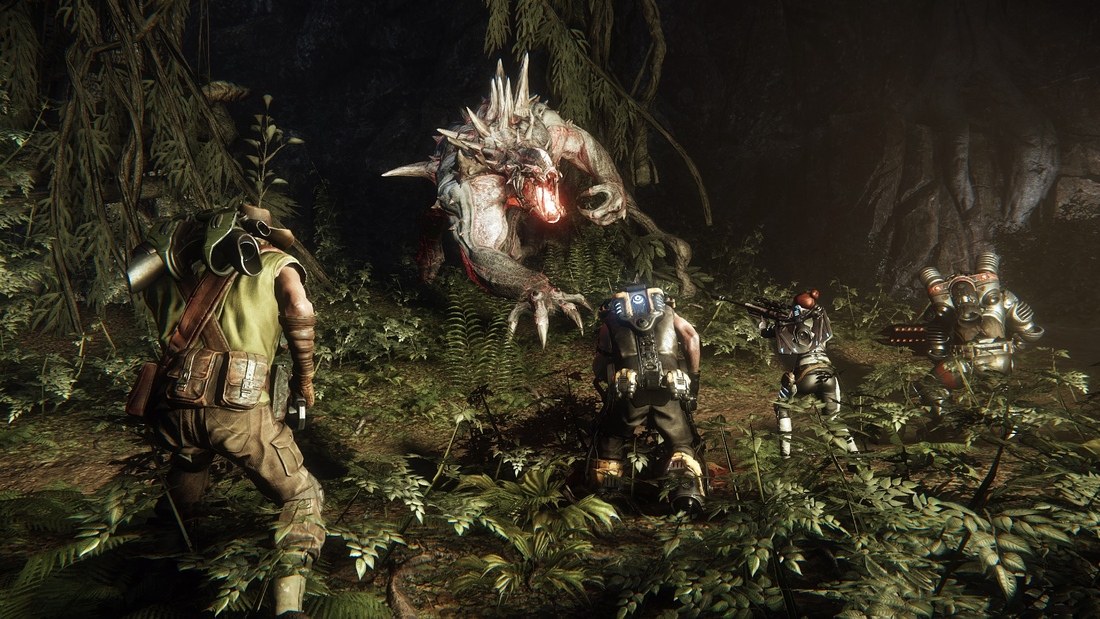
The makers of the first Left 4 Dead take that game's boss fights and extend themselves out to full game length. The result is great fun that wears thin sooner than it should have.

174) Star Wars Episode I Racer. LucasArts, 1999.

Maybe the only worthwhile thing to come out of the entire Phantom Menace experience is a rock-solid racing game with a lot of customization.

173) Quake III: Arena. id Software, 1999.

One of the most important online shooters in PC history is also one of the poorest aged games of it's kind that I can think of.

172) Hyrule Warriors. Omega Force, 2014.

Zelda + Dynasty Warriors is just a bizarre enough fit to work, despite all evidence to the contrary.

171) Brutal Legend. Double Fine, 2009.
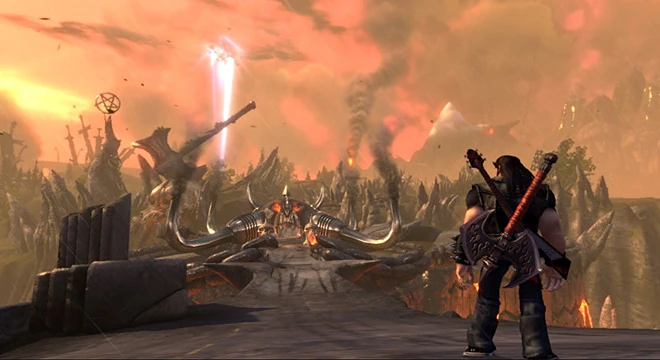
Double Fine is nothing if not charming, and Brutal Legend is no exception, especially if you have any affection for wonky strategy games and heavy metal.

170) Soul Calibur IV. Project Soul, 2008.

I said before that SCII was my favorite fighting game, and it is, but this is a bigger and better game. There's also one of the stranger crossovers in history as Darth Vader and Yoda both show up for some fun.

169) Destroy All Humans!. Pandemic Studios, 2005.

A charmingly retro game that is one part homage to 50s UFO culture, one part clever action platformer never quite made the mark it should have, despite a few sequels.

168) Guitar Hero III: Legends of Rock. Neversoft, 2007.
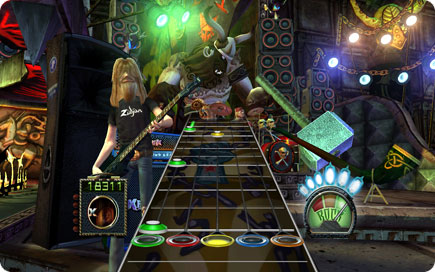
The zenith of the music game genre was a guitar duel against Tom Morello, because of course it was.

167) Metal Gear Rising: Revengeance. PlatinumGames, 2013.

It's hardly the most intellectual continuation of the Metal Gear series, but damnit if slicing giant robots to death as a cyborg ninja doesn't just scratch a certain itch.

166) Eternal Darkness; Sanity's Requiem. Silicon Knights, 2002.
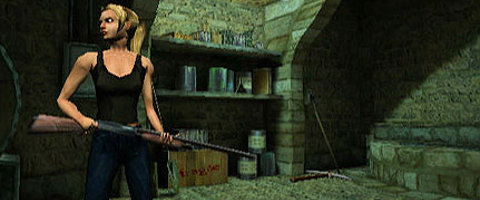
There hasn't been a game quite like this one before, and there probably never will be.

165) Star Wars Rogue Squadron. LucasArts, 1998.
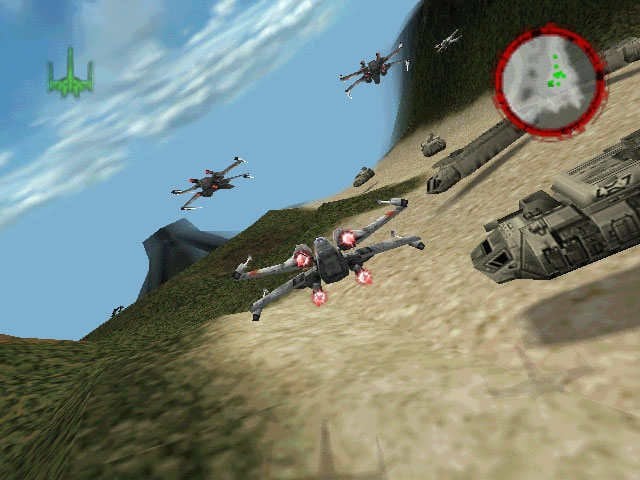
The scope and smoothness of this game are remarkable now, and they were even moreso in 1998. A clean, straightforward, excellent game.

164) The Sims. Maxis, 2000.

The Sims is really weird, right? Just the strangest game. I don't have anything else to say.

163) Star Wars Battlefront. EA DICE, 2015.

Look at that screenshot. Look how cool it is. Unfortunately, that's about all this game is. It gets the basic concept of a Battlefront reboot right, but forgets to put an actual game around it.

162) Borderlands. Gearbox Software, 2009.

A fun, freeflowing game that feels more like a template for what came later in hindsight.

161) Crisis Core: Final Fantasy VII. Square Enix, 2008.

There's a very specific mood that this game captures that I hope the FFVII remake can figure out.

160) Sleeping Dogs. United Front Games, 2012.

There's a lot to like about this game, chief among them the detailed setting and the excellent, excellent fighting system.

159) Massive Chalice. Double Fine, 2015.
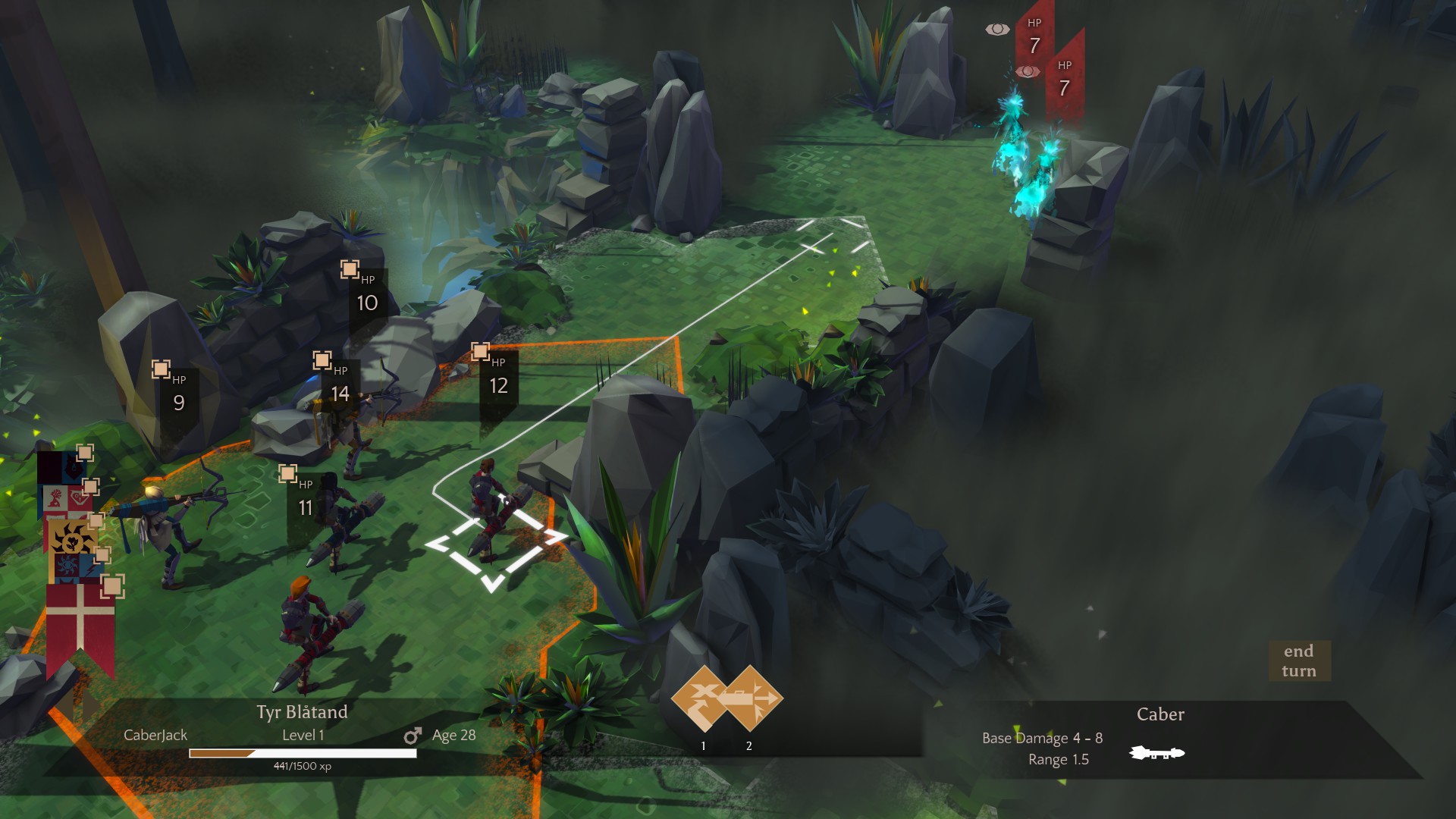
A very strange mismash of different game types sometimes finds real traction, as long as its difficulty curve stays out of the way.

158) Banjo-Kazooie. Rare, 1998.

I can't think of a platformer that used the Nintendo 64s limited tech as well as this one. A wonderful little gem from Rare, the masters of the N64.

157) Dragon Ball Xenoverse. Dimps, 2015.

It's a simpler fighting game than the Budokai series but ends being much better simply for trying to do something with the source material.

156) DOOM 3. id Software, 2004.

On one hand, it's an incredibly misguided attempt to turn DOOM into something it's not. On the other, it's a greatly evocative and important game from a design standpoint.

155) Halo Wars. Ensemble Studios, 2009.

A refreshingly simple strategy game enlivened by good use of a clean looking Halo tie in.

154) Tony Hawk's Pro Skater 3. Neversoft, 2001.
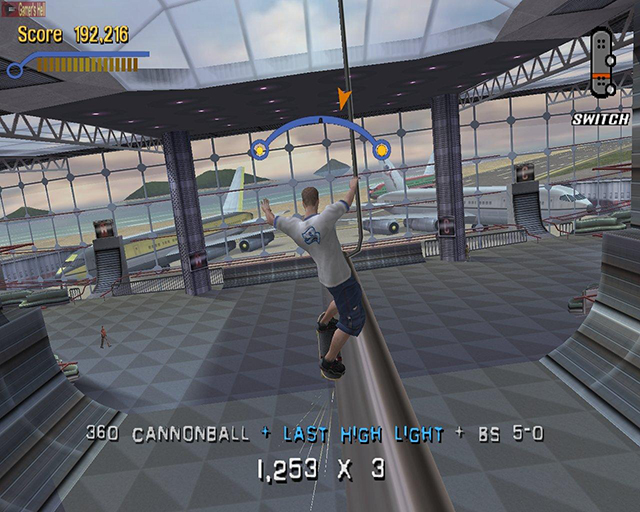
The best of all skating games, now and forever. Also the best soundtrack.

153) Hitman Blood Money. IO Interactive, 2006.

A shockingly inventive game considering both the general limitations of stealth in the mid-2000s and how early in the console generation it came.

152) Assassin's Creed II. Eidos Montreal, 2009.

The pinnacle of the Assassin's Creed series by a large amount. The most varied and interesting game to ever bear the name.

151) Final Fantasy XIII. Square Enix, 2010.

I have some very conflicting thoughts. FFXIII is beautiful to look at, at sometimes beautiful to hear. The combat system is one of the few refreshing ideas the company has had lately. It's also agonizingly slow and some of the characters are miserable.

150) D4: Dark Dreams Don't Die. Access Games, 2014.

SWERY is a weird fucking guy. This is a weird fucking game. I liked it, though.

Second part here

Wednesday, April 29, 2015

The Five Best Bulls at Every Position Since 2000

Since I suffered my way through a Cubs version of this, here's the Bulls one, which is even worse!


Center
1. Joakim Noah, 2007-2015   (6.1 VORP in 13-14)
2. Ben Wallace, 2006-2008  (5.2 VORP in 06-07)
3. Tyson Chandler, 2001-2006 (2.8 VORP in 04-05)
4. Brad Miller, 2000-2002, 09-10  (1.6 VORP in 01-02)
5. Kurt Thomas, 2010-2011   (0.9 VORP in 10-11)

Honorable Mention
  Omer Asik, 2010-2012
  Antonio Davis, 2004-2005
  Eddy Curry, 2001-2005


Power Forward
1. Elton Brand, 1999-2001  (3.0 VORP in 00-01)
2. Pau Gasol, 2014-15   (3.2 VORP in 14-15)
3. Donyell Marshall, 2003- 2004   (2.3 VORP)
4. Nikola Mirotic, 2014-15  (1.5 VORP)
5. Taj Gibson, 2009-2015  (1.2 VORP in 14-15)

Honorable Mention
    Carlos Boozer, 2010-2014
    Tyrus Thomas, 2006-2010
    Othella Harrington, 2004-2006


Small Forward
1. Luol Deng, 2004-2014    (3.6 VORP in 06-07)
2. Kyle Korver, 2010-2012   (1.7 VORP in 11-12)
3. Mike Dunleavy, 2013-2015  (1.8 VORP in 13-14)
4. Andres Nocioni, 2004-2009  (1.7 VORP in 05-06)
5. Ron Artest, 1999-2002   (1.0 VORP in 00-01)

Honorable Mention
    Jalen Rose, 2001-2004
    Eddie Robinson, 2001-2004
    Eric Piatkowski, 2004-2006


Shooting Guard
1. Jimmy Butler, 2012-2015    (4.2 VORP in 14-15)
2. Ben Gordon, 2004-2009    (2.4 VORP in 06-07)
3. Jamal Crawford, 2000-2004   (2.2 VORP in 03-04)
4. Ronnie Brewer,  2010-2012  (1.7 VORP in 10-11)
5. Fred Hoiberg, 2000-2002   (1.7 VORP in 00-01)

Honorable Mention
    Thabo Sefolosha, 2006-2009
    Keith Bogans, 2010-2011
    Larry Hughes, 2008-2009


Point Guard
1. Derrick Rose,  2008-2015   (6.0 VORP in 10-11)
2. Kirk Hinrich, 03-11, 13-15   (3.5 VORP in 06-07)
3. Nate Robinson, 2012-13    (1.9 VORP)
4. DJ Augustin,  2013-14   (1.4 VORP)
5. Jay Williams,  2002-2003   (-0.1 VORP)

Honorable Mention
    Chris Duhon, 2004-2008
    CJ Watson,  2010-2012
    Jannero Pargo,  03-06, 08

The Five Best Cubs at Every Position Since 2000

In lieu of studying for my finals (and because the 2015 Cubs are exciting as shit), I decided to try and put the current young Cubs in proper context with their forebears, and since my pre-2002 or so Cubs knowledge is shaky at best (I turned 13 in 2002 and honestly wasn't a huge sports fan until then), I'm just going with the logical cutoff. I'll throw five guys at every position, but I'll make note of others worthy of at least mentioning. For guys who declined over their Cubs tenure, I'll just consider their best season as their entry, with their other years listed. This is going to be depressing.


Catcher
1.  Geovany Soto, 2007-2012 (3.7 WAR in 2008)
2.  Miguel Montero, 2015
3.  Welington Castillo, 2010-2015 (3.1 WAR in 2013)
4. Michael Barrett, 2004-2007 (2.9 WAR in 2005)
5.  Dioner Navarro, 2013 (2.0 WAR)

Honorable Mention
 Jason Kendall, 2007
 Henry Blanco, 2005-2008
 Todd Hundley, 2001-2002
 Joe Girardi, 2000-2002
 Damian Miller, 2003


First Base
1. Derrek Lee, 2004-2010 (7.0 WAR in 2007)
2. Anthony Rizzo, 2012-2015 (5.6 WAR in 2014)
3. Mark Grace, 2000 (3.0 WAR)
4. Carlos Pena, 2011 (2.5 WAR)
5. Fred McGriff, 2001-2002 (2.4 WAR in 2002)

Honorable Mention
 Bryan LaHair, 2011-2012
 Hee-Seop Choi, 2002-2003
 Matt Stairs, 2001
 Daryle Ward, 2007-2008
 Ron Coomer, 2001


Second Base
1. Mark DeRosa, 2007-2008 (4.2 WAR in 2008)
2. Eric Young, 2000-2001 (3.6 WAR in 2000)
3. Mark Bellhorn, 2002-2003 (3.9 WAR in 2002)
4. Mark Grudzielanek, 2003-2004 (2.3 WAR in 2003)
5. Darwin Barney, 2010-2014 (2.4 WAR in 2012)

Honorable Mention
 Emilio Bonifacio, 2014.
 Todd Walker, 2004-2006.
 Mike Fontenot, 2007-2010.
 Bobby Hill, 2002-2003
 Arismendy Alcantara, 2014-2015


Shortstop
1. Starlin Castro, 2010-2015 (3.1 WAR in 2012)
2. Ryan Theriot, 2005-2010 (3.0 WAR in 2008)
3. Nomar Garciaparra. 2004-2005 (1.1 WAR in 2004)
4. Alex Gonzalez, 2002-2004 (1.0 WAR in 2002)
5. Ricky Gutierrez, 2000-2001 (1.8 WAR in 2001)

Honorable Mention (begins vomiting)
 Neifi Perez, 2004-2006
 Cesar Izturis, 2007
 Ronny Cedeno, 2005-2008
 Augie Ojeda, 2000-2003
 Ramon Martinez, 2003-2004


Third Base
1. Aramis Ramirez, 2003-2011 (4.8 WAR in 2007)
2. Kris Bryant, 2015
3. Bill Mueller, 2001-2002 (2.3 WAR in 2003)
4. Luis Valbuena, 2012-2014 (2.8 WAR in 2014)
5. Jeff Baker, 2009-2012 (1.6 WAR in 2009)

Honorable Mention
 Jose Macias, 2004-2005
 Cody Ransom, 2013
 Mike Olt, 2014
 Jake Fox, 2007-2009
 Donnie Murphy, 2013


Left Field
1. Alfonso Soriano, 2007-2013 (6.7 WAR in 2007)
2. Moises Alou, 2002-2004 (5.9 WAR in 2004)
3. Matt Murton, 2005-2008 (2.8 WAR in 2006)
4. Chris Coghlan, 2014-2015 (2.3 WAR in 2014)
5. Tyler Colvin, 2009-2011 (1.8 WAR in 2010)

Honorable Mention
 Rondell White, 2001-2002
 Tony Campana, 2011, 2012
 Reed Johnson, 2008-2009, 2011-2012
 Brian Bogusevic, 2013
 Micah Hoffpauir, 2008-2010


Center Field
1. Kenny Lofton, 2003 (2.1 WAR in 56 games)
2. Marlon Byrd, 2010-2012 (4.0 WAR in 2010)
3. Corey Patterson, 2000-2005 (5.0 WAR in 2004)
4. Juan Pierre, 2006 (3.1 WAR)
5. David DeJesus, 2012-2013 (2.1 WAR in 2013)

Honorable Mention
 Dexter Fowler, 2015
 Jim Edmonds, 2008
 Angel Pagan, 2006-2007
 Sam Fuld, 2007-2010
 Ryan Sweeney, 2013-2014


Right Field
1. Sammy Sosa, 2000-2004 (9.9 WAR in 2001)
2. Kosuke Fukudome, 2008-2011 (2.4 WAR in 2009)
3. Nate Schierholtz, 2013-2014 (1.8 WAR in 2013)
4. Jeromy Burnitz, 2005 (1.5 WAR)
5. Jorge Soler, 2014-2015

Honorable Mention
  Jacque Jones, 2006-2007
  Cliff Floyd, 2007
  Todd Hollandsworth, 2004-2005
  Milton Bradley, 2009
  Dave Sappelt, 2012-2013


Starting Pitcher
1. Mark Prior, 2002-2006 (7.9 WAR in 2003)
2. Kerry Wood, 2000-2008, 2011-2012 (4.3 WAR in 2004)
3. Jon Lester, 2015
4. Carlos Zambrano, 2001-2011 (4.9 WAR in 2003)
5. Jake Arrieta, 2013-2015 (5.1 WAR in 2014)
6. Ryan Dempster, 2004-2012 (4.8 WAR in 2008)
7. Matt Garza, 2011-2013 (5.0 WAR in 2011)
8. Ted Lilly, 2007-2010 (3.9 WAR in 2007)
9. Greg Maddux, 2004-2006 (3.4 WAR in 2005)
10. Jeff Samardzija, 2006-2013 (2.9 WAR in 2012)

Honorable Mention
 Jon Lieber, 2000-2002, 2008
 Matt Clement, 2002-2004
 Rich Hill, 2005-2008
 Rich Harden, 2009
 Randy Wells, 2009, 2012


Relief Pitcher
1. Hector Rondon, 2013-2015 (1.6 WAR in 2014)
2. Carlos Marmol, 2006-2012 (2.8 WAR in 2010)
3. Joe Borowski, 2001-2004 (1.8 WAR in 2013)
4. Kyle Farnsworth, 2000-2004 (2.1 WAR in 2001)
5. Sean Marshall, 2006-2011 (2.6 WAR in 2011)

Honorable Mention
 James Russell, 2010-2013
 Bob Howry, 2006-2008
 Will Ohman, 2001-2007
 Antonio Alfonseca, 2002-2004
 Pedro Strop, 2013-2015

Monday, October 20, 2014

A Tribute to Shadow of Mordor's Nemesis System

Middle-earth: Shadow of Mordor, the relatively new game from Monolith Studios, has received some rave reviews since its release in late September. While the combat is good, it also plays like a more forgiving, more skittish and jumpy version of the the Batman: Arkham series' finely-tuned counter fest. While the open-world exploration is also good, it plays like a less intensive version of the Assassin's Creed series' signature parkour. And while the story is good (and features probably the closest thing to an adaptation of the Silmarillion that we're ever likely to see), one can be excused from not being all that interested in Lord of the Rings lore.

No, what makes Shadow of Mordor fun and quite unlike anything I've played in recent memory is the Nemesis System. The game's protagonist, bland ranger person Talion, is killed at the story's outset and bonded to a mysterious wraith that keeps him "banished from death." Basically, whenever he dies, he is resurrected. What is interesting about this mechanic is what happens to the Orc or Uruk who kills him: if a random grunt manages to land the finishing blow, he will be promoted to Captain and take his place in a chess board-y "Sauron's Army" menu in the game, displaying all the current captains, their locations and their battle tactics. If the board is full, the new captain will challenge and incumbent for the position. If they win, they get promoted. If not, they die. What gives this mechanic flavor is that almost every one of these Orcs will be randomly generated from a set list of names, appearances, characteristics and voices, and they all remember their previous encounters with you. If one defeated you, he'll taunt you the next time you meet, referencing how he killed you, if you ran, if he ran or even just generally talk about weird shit and how much he wants to bathe in your blood.

I told you all of this to tell you the story of an Orc named Hoshu the Wrestler, and how he and I came to be the bane of one another's existence. Soon after the story proper began, I decided to start exploring the open-world a bit before diving into story missions. In doing so, I discovered a few captains and, ahem, interrogated their underlings for information about their strengths and weaknesses. In the middle of an interrogated a particularly terrified looking Orc, I was interrupted by a scrawny Orc captain named Hoshu. He barked something unremarkable about killing me. I saw the power level the game ascribed to him: 11. Not a pushover. Still, I wasn't going to take any chances. We started fighting, and I realized that he couldn't be countered. He knocked me down a few times and I fled, confused and unsure of how to best him.

Maybe an hour later, I was doing a side mission to power up my bow, one that I thought was detached from the rest of the open-world, as these sorts of side missions tend to be. Stuck in a ramshackle tent on a plateau between two groups of archers who had my name carved into their arrows, I started my grim work. After a few enemies fell, who should appear RIGHT BEHIND ME but Hoshu, the Wrestler, now sporting a wide-brimmed steel helmet and a cockier attitude. Living up to his name, he grabbed and threw me off the plateau, and before I could escape his throng of underlings, he vaulted from above and crushed me in one blow. It was my first death, and I was confused. Hoshu, the Wrestler was now level 12.

Interested, I used the minimap to look for some hint of Hoshu, finding him in one of the game's larger settlements trying to recruit supporters. I snuck my way through the outpost, finding the highest vantage point I could and fired a few arrows of glorious retribution into Hoshu's face. After a few hits, he noticed me and fled. I gave chase as best I could, avoiding his troops until I finally cornered him just outside of town. Avoiding his powerful melee attacks, I whittled his health down until I was FINALLY able to grab and interrogate him. Just as I was about to probe his mind before destroying it, someone hit me from behind and broke my hold. I turned around and dealt with a few brave underlings before realizing that Hoshu had straight up vanished. Sure enough, after my subsequent death, there he was on the update screen, taunting me and leveling up his power. Now he was level 13.

After reviving and using some of the currency I had earned to buy some upgrade, I set out on the warpath. Using the minimap to pinpoint Hoshu's position, I found him in the midst of an "ambush" side mission, where several jealous underlings attempt to assassinate a superior. Staying out of the fray, I peppered Hoshu's supporters with arrows until he stood alone against a half dozen angry usurpers. I took no small amount of glee in watching him stand alone before he dealt with his assailants. Suddenly, the game updated that in surviving his assassination attempt, Hoshu was now level 15. Then he escaped. Now he was level 16.

We'd had four encounters: one that he ran from, one that I ran from, one that he definitively won and one that he'd scurried away from by the skin of his teeth. I was PISSED. Next time I spawned, I made a beeline for his last position, only to find that he was simply gone. I looked for awhile, then decided to just carry on with the main game as best I could. After doing a mission for Gollum (yes, that Gollum), I was doing a little exploring in my new area and collecting some collectables. A lowly captain attacked me, and was dealt with. Just after I dealt the finishing blow, Hoshu burst onto the scene, snarling revenge and toting a cadre of 10 or so tough-looking dudes with shield. It started raining. It was ON. I tore through Hoshu's men like fire and vapor, flipping and dodging and using my newly acquired ground pound technique to dispatch everyone I saw. After a few exhausting minutes, Hoshu fled again, his health down to the lowest I'd yet seen it. Determined not to let him go again, I vaulted on top of a nearby ruin of sorts and put an arrow through the back of his head from distance. Finally, it was over. I made sure my game had saved, turned off my Xbox and went to sleep.

The next time I played, I was back at that area trying to scavenge the collectibles I'd missed last time, when Olrok the Collector, a sadistic, hedonistic slab or Orc I'd also been having tussles with shuffled his purring visage onto my screen for revenge. Suddenly, in the middle of fighting two captain, Hoshu re-appeared, filled with furious anger and toting a steel plate over one of his eyes, a trophy from our previous encounter. I turned and ran straight at him, ignoring Olrok, who was trying to flee. I fought him again, now level 17 due to his miraculous survival, and again he fled. The tide had turned in our rivalry. He tried to escape, and I put another arrow into his head, only this time, nothing happened. He was immune to ranged attacks now, the game told me. He was learning. Also, he was faster than I was, and he was escaping. Suddenly, as he ran down the craggy slopes, a Caragor, a sort of mounted annoyance that can be tamed, tackled Hoshu. The game updated to inform me of his fear of Caragors, and I the beast tossed him around like a ragdoll, I moved in for the kill. I picked off a couple encroaching Caragors and waited until Hoshu was near death, then intervened, dispatching the hunter and the hunted in mere seconds. I am become death, and Hoshu was dead once more.

Earlier today, when I picked my game back up after not having seen Hoshu for, at this point, several hours of gametime, I was presiding over a duel between two Orc captains. One, a fat bastard named Narug the Mountain, and the other Gorgum the Grim, who had killed me as a lowly grunt. Narug was the higher level, and I like Gorgum, since his grimness always led him to spout pessimistic drivel every time I saw him. He was this game's version of Eeyore. After I helped Gorgum win his duel, he fled at the sight of me, and while I considered letting him go or not, I was attacked from behind by a filthy looking masked Orc. At this point in the game I had unlocked a last stand sort of mode that let me counter my murderer's final strike into a killing blow of my own. As I killed this random usurper, I thought to myself "that guy looked sort of interesting. Too bad he didn't kill me and become the new Hoshu." Having decided to kill poor Gorgum the Grim, I set off after him. He's not too fast and not too good, so catching him would be easy. I didn't make it ten seconds before the masked Orc attacked me again, despite having just been cut down. This second attack did a titanic amount of damage, and as I crumpled down into the grass, I heard the Orcs around me chant a single name, over and over: Hoshu. I couldn't block the final blow this time and after reviving, I went to the Sauron's Army screen, and this is what I found.


Hoshu, the Wrestler. Legendary Captain, Power Level 20. "Seething with hatred for Talion. Eager for a chance to meet him again." The feeling is mutual, buddy.

That motherfucker. I can't wait to fight him again. We've got a score to settle.

UPDATE: Soon after posting this, I got a notification that Hoshu was hosting a feast in his own glory near the beginning area of the game. Remembering how spread out that place could be, I hastened there to plot my revenge. Remembering his fear of Caragors, I captured one, rode it to his feast and hid. After a couple minutes of watching his patrol route, I snuck up behind Hoshu and poisoned his grog. After he and his men were weakened, they began to fight, and though it took awhile, Hoshu eliminated his entire group, though it left him with less than half health. It was then that I struck.

Mounted on my Caragor, I rode after Hoshu like death, he fled in terror, which negated most of the skills that had made him unkillable. I ran him down and let my Caragor tear into him. After barely surviving, I grabbed him, read his mind and broke it. He crumpled to the ground, seemingly dead. I expected him to return. He never did. An anticlimactic ending to our rivalry, perhaps, but one that showed just how far I had ascended above petty conflicts such as the one with Hoshu. Later, near the game's conclusion, I was even more powerful, commanding a brainwashed Uruk army of my own. There had been other Uruks designated as my nemesis since then, but none of them had the lasting power of Hoshu. I had grown far too powerful, capable of felling lesser captains in a single blow. Now, when I defeated one, they never came back.

 When I moved on the castle belonging to one of the main bosses of the game, I was stopped at the gate by a small army of opposing Uruks. Leading them, was Hoshu, the Wrestler. Somehow back even after having been dead now longer than he had been alive in the first place. "Defeat your nemesis," the game told me, and I did. Hoshu tore into my own brainwashed captains, eliminating three of my five lieutenants before I could cut my way to him, and when I did, I fell upon him in a righteous fury, finally removing from him both his head and his life, for the final time. There was a short boss fight against one of the storyline antagonists, but it lacked the sense of finality Hoshu's death had finally given me. The game ended not long afterwards, and after it did, I barely did any of the sidequests opened up for me in the open world. My purpose had been fulfilled, as had Hoshu's. Glorious vengeance had been fulfilled.

What a fun game.

Tuesday, August 12, 2014

A Terror Beyond Falling

Yesterday afternoon, news broke of the death by hanging of Robin Williams. He was 63. As one of the most beloved (and longest lasting) comedians in the world, Williams' death came as a shock to most, even those who knew how long and hard he has battled against his own demons. By now, more than enough has been said about the quiet desperation present in his work, and how his outward appearance as a manic funnyman was most likely a response to the crushing sadness he no doubt felt for his entire adult life. As someone who has dealt with depression for over half of my life, I understand both the temptation and the relief Williams must have felt at the end. It's true that the first thought most clinically depressed people must have had when the heard the news was a brief sense of relief to go along with the sadness. My mother fought breast cancer for over a year starting in July 2011, but it was her depression, brought on by both her disease and her disintegrating marriage, that nearly killed her and forced her to seek help.

Perhaps more broadly important, Williams' death has set off a widespread discussion of the true perils of depression, on twitter on the internet as a whole, with most people posting links to suicide helplines and at least the bare minimum of "everyone cares about you" or "don't give up." While there is absolutely nothing wrong with these sentiments, and they surely are welcome, one has to wonder how effective they truly are. While I'm sure someone uses them, there's not a single depressed person I know or have ever known that would even consider using a hotline. While this might seem counter-productive (why not seek help if you need help? No one refuses to go to the hospital if they break their leg), what I'm going to try to do is explain why. I've seen more than one person express sincere confusion and a lack of understanding of what, exactly this disease is and how it effects people. Its symptoms are as hard to describe as they are to experience, but I'll do my best.

For all the coverage of depression as an eminently sad thing, which it is, there's an aspect of it that never seems to be mentioned: how much of it is based on fear. Plenty of days, maybe most, I feel happy, capable and ready to take on the world. I'm not sad. I'm not bed-ridden. Yet, I know my depression is there, ready to take me, because I'm never not afraid. Afraid that I'm not good enough, that I'm not qualified, worthy, or even likable. Afraid that some day, everyone I know and rely upon for support, whether they know it or not, will uniformly reject me. I'm afraid that if that happens, I'll deserve it. It controls my life and the choices I make much more completely than the bouts of very real and crushing sadness I have to contend with every few days or weeks. The fear that something will happen that will force back into the cold, unfeeling maw that I claw myself out of is what drives me. It's why I rarely have nightmares, because I'm afraid enough in my waking life to compensate.

It's this feeling of general anxiety and inadequacy that makes me unable even to order a pizza, for fear that person on the other will know, somehow, how I'm feeling and mock me for it. Fear of rejection or mockery, fear of the uncountable stigmas associated with depression (or all mental illnesses), both in our culture and in our language dictates nearly every choice I make. It's why I choose not to go out most Saturdays, why I've almost never approached a professor for help, why I spent several hours during my first trip to Las Vegas Summer League in 2012 crying from nerves in an empty hallway, and why I've never asked a woman out who I wasn't already friends with. The concept of going outside my painstakingly established comfort zone is utterly alien. Thankfully, I've managed to expand my comfort zone over the past few years and carve out something resembling a normal life.

The two most important steps to dealing with depression, more important than any sort of medication or therapy could ever be, are first accepting the disease and then establishing a support structure to deal with its effects. The former is almost impossible for some people, as it seemed to be for my mother for the longest time, but it's the most important step imaginable. The second is less important by definition, but still critical and necessary. There's much made of the simple act of listening to someone's troubles, and though I can say from experience that it's very helpful, I understand how daunting a task it might seem. Perhaps more importantly, all we need is a friend. Someone to hang out with and to escape the pressures of the depressive mind is life-savingly important. I can count on one hand the number of times I've actually talked through any of my issues with the people I consider my best friends on the planet, either in my day to day life or on the internet. This doesn't mean they aren't my support structure. Even my dog has been stupendously helpful in this regard.

Robin Williams' fight is over, and believe me when I say it was a fight just as involved and dangerous as any other disease. He was afraid, but he was not a coward. He was hurt, but he was not weak. His daughter, Zelda, is less than two months younger than I am, and  now she is without her father. There's nothing that can repair her loss, but perhaps her loss can help other people, which I'm sure Robin would have wanted. Even without ever knowing him outside the relationship defined by his comedy, I can say that, because that's the relationship he wanted. That persona is what he wanted the world to see instead of the sad, angry and afraid man he surely was underneath. Depressives inherently distrust success. They know how fleeting it is and how likely they are to be right back where they started or worse when it fades. That a man as successful as Robin Williams could feel strongly enough to take his own life is testament to this.

All I hope is that the proper message comes of this. Telling people to seek help is good advice, but not as good as offering help. Or even just being their friend.

Sunday, August 10, 2014

The Five Best Xbox 360 Games by Each Year: Ode on a Grecian Xbox

Come this Monday, June 9th, Microsoft's Xbox One will debut at its new price of $399, which will prompt me to go to my local Gamestop, trade in my Xbox 360 and all my games, and buy one (and I might be able to do it without spending more than $80 or so of my own money, which would be nice).

As such, I thought it fitting to offer a small tribute of sorts to a console that I've owned in some form for eight years, a little under a third of my entire life to this point. After some (like five minutes) deliberation, I decided to write a little thing on the five best games I played during each year of the console's existence. 2005 doesn't count since I didn't own one then and there's like 5 weeks worth of games anyway.


2006

5- Saints Row. Volition, Inc.

In plot, it is infantile. In tone, it is sophomoric. Also, it had one of the great demos in the history of gaming.


4- Prey. Human Head Studios.

Inventive isn't a good word for this game, but it tried to do something different, even if that something different was buried under a pile of same.


3- Hitman: Blood Money. IO Interactive.

 Blood Money is every bit one of those early generation console games that seems rather unsure of how to live up to the next-gen moniker outside of having better graphics. Still very fun and strange.

https://www.youtube.com/watch?v=JKbptWt_Qs4


2- Gears of War, Epic Games.

Is Gears of War a great series? I don't know, but in 2006 I could have been convinced so. One of the first great cooperative games of the generation.


1- The Elder Scrolls IV: Oblivion. Bethesda Softworks.

Looking at it now, you'd never believe that Oblivion was once considered the best looking game that had ever existed. In early 2006, though? It was mind-blowing. It was the first next-gen game I ever saw, and it almost single-handedly sold me on the concept.

https://www.youtube.com/watch?v=hYuW77erTMw


2007

5- Guitar Hero III. Harmonix.

Let's be honest: Guitar Hero is one of the stupidest things that was ever a gaming phenomenon. Have you ever watched someone play it? Damned fun, though.


4- Mass Effect. BioWare.

Compared to most games of its time, Mass Effect was ambitious in scope, depth and tone. It looks small and meaningless next to its successors, but it still has a cavalier sort of charm to it.

https://www.youtube.com/watch?v=uIX49xC9rXo


3- Halo 3. Bungie.

Halo 3 might be a bad game. I played it far too much to tell.


2- BioShock. Irrational Games.

Most any other year, BioShock would hold the top spot. This is a game that worms its way into your subconscious. At this point, it's hard to envision what things would be like without it.

https://www.youtube.com/watch?v=z3RHenh8vJ8


1- The Orange Box. Valve Corporation.

Throw out the fact that Half-Life 2 and its first expansion are in this. Just take the new games. You have the far superior second expansion, the sequel to one of the great online shooters in history, and perhaps the perfect distillation of the art form (those being HL2 Episode Two, Team Fortress 2 and Portal respectively).


2008


5- Dead Space. EA Redwood Shores.

Dead Space is a throwback to the halcyon days of survival horror, with one of the most immersive interfaces in the history of the medium.


4- Lost Odyssey. Mistwalker Studios.

Speaking of throwbacks, Lost Odyssey might as well be called Final Fantasy XI for how strictly it adheres to the turn-based formula. The last spark of a dying age.

https://www.youtube.com/watch?v=J6jfz9rhZpY


3- Gears of War 2. Epic Games.

Is Gears 2 any better than Gears 1? Probably not. But it wasn't any worse.


2. Grand Theft Auto IV. Rockstar Games.

GTA IV was spellbinding when it was released. It's still the best representation of New York in the medium, and one of the best in all of entertainment.

https://www.youtube.com/watch?v=M80K51DosFo


1. Fallout 3. Bethesda Softworks.

Staggering in its scope, execution, detail, impact and solitude.


2009


5- Left 4 Dead 2. Valve Corporation.

Essentially the same pretty enjoyable game as the year before, just in a weaker year.


4- Assassin's Creed II. Ubisoft.

I found it strange that ACII ranked up here given my dislike of the series, but this is its pinnacle.


3- Dragon Age: Origins. BioWare.

By all accounts a better game on PC still ends up pretty good here.


2- Halo 3: ODST. Bungie.

The shortest, smallest, and loneliest of the Halo games. Perhaps, in some ways, my favorite.


1- Batman: Arkham Asylum. Rocksteady.

The best superhero game ever created and probably the best Batman adaptation not to air on FOX in the early 90s.

https://www.youtube.com/watch?v=iGk2z7KDCzI


2010


5. BioShock 2. 2k Marin

What seems like the least necessary sequel of all time proves itself more than just commentary on a superior product.


4. Halo: Reach. Bungie

Bungie says goodbye to its flagship with a game half maudlin, half memorial.


3. Fallout: New Vegas. Obsidian Entertainment

I know several people who prefer New Vegas to Fallout 3. I disagree, but I can understand their reasoning.


2. Red Dead Redemption. Rockstar

When people talk about Rockstar becoming a more emotionally mature studio, RDR is what they mean.

https://www.youtube.com/watch?v=AUXGW6sWYDY


1. Mass Effect 2. BioWare.

If ever a game series has improved  more from one game to the next, I haven't seen it. ME2 is a monolith of gaming, and a wonderful tribute to visceral late 80s-early 90s sci-fi.

https://www.youtube.com/watch?v=H__tnAFL3d8


2011


5. L.A. Noire. Team Bondi.

It's weird looking and barely a game, but a more thorough tribute to film noir I have never seen in gaming.


4. Batman: Arkham City. Rocksteady.

It loses some of the focus of its more linear predecessor, but Arkham City features perhaps the most detailed open world in gaming, and also allows for things like this.

https://www.youtube.com/watch?v=raPM-c-aEdU


3. Deus Ex: Human Revolution. Eidos Montreal.

No better example of the wonders created by perfect synergy between theme, art design and tone has ever existed, I think.


2. The Elder Scrolls V: Skyrim. Bethesda Softworks.

Skyrim is the reigning king of free-roam, narrative-through-random-chance gaming until whenever the next Elder Scrolls game comes out.

https://www.youtube.com/watch?v=dKMiEGnJzhg


1. Portal 2. Valve Corporation.

Portal 2 is one of the funniest games ever created at the same time as being one of the most interesting, well-written and inventive. A masterstroke.


2012


5. XCOM: Enemy Unknown/Within. Firaxis Games.

A triumphant return from a franchise I could barely remember. I bought this game after seeing one gameplay video, and was never disappointed.


4. Halo 4. 343 Studios.

Equal parts radical departure and cloying tribute, Halo 4 does the impossible by not being rent asunder by its seemingly oxymoronical design.


3. The Walking Dead. Telltale Games.

Some would tell you that The Walking Dead isn't a game. That doesn't change the fact that it's great, and far and away the best thing related to this series.


2. Dishonored. Arkane Studios.

It's like an oil painting. With teleportation. And stabbing. And lots of rats. So many rats.

https://www.youtube.com/watch?v=zcSc4uBc3nQ


1. Mass Effect 3. BioWare.

Yes, I still think this. No, I don't care about a shitty ending or shorter missions. ME3 gets me, and also gets bonus points for having the most surprisingly great multiplayer mode ever conceived.


2013/2014


5. Dead Space 3. EA Redwood.

It should be evidence of how great 2011 was that the vastly superior Dead Space 2 didn't make it but this occasionally lackluster game did. Still, when it was good, it was better than either of the others. When it was bad, it was different.


4. Metal Gear Solid V: Ground Zeroes.

Yeah, it's a 3 hour game. Yeah, it's basically a paid demo. I didn't mind (because I rented it). I am officially stoked for the main product.


3. Batman: Arkham Origins. WB

While it does do what everyone feared and play like an inferior expansion to Arkham City, no one ever explained why, exactly, that was a bad thing.


2. BioShock: Infinite. Irrational Games

In what will likely be the last BioShock game from Ken Levine, Infinite was polarizing, mesmerizing, disappointing, enthralling, surprising and ultimately, memorable. That's all I can ask.

https://www.youtube.com/watch?v=bLHW78X1XeE


1. Grand Theft Auto V. Rockstar Games.

Look at this game compared to GTA IV. It's almost inconceivable that they were released during the same console generation. What a generation it was.


The 50 Best Xbox 360 Games

50. Alan Wake
49. Left 4 Dead
48. Injustice: Gods Among Us
47. Brutal Legend
46. Star Wars: The Force Unleashed
45. Assassin's Creed: Brotherhood
44. NBA 2k11
43. Max Payne 3
42. Resident Evil 5
41. Dead Space 3
40. NBA 2k12
39. Assassin's Creed II
38. Hitman: Blood Money
37. Dead Space- 2008
36. Dragon Age II- 2011
35. Metal Gear Solid V: Ground Zeroes- 2014
34. Dead Space 2- 2011
33. Final Fantasy XIII- 2010
32. Gears of War 2- 2008
31. Batman: Arkham Origins- 2013
30. Gears of War 3- 2011
29. L.A. Noire- 2011
28. Dragon Age: Origins- 2009
27. Gears of War- 2006
26. Borderlands 2- 2012
25. Dark Souls- 2011
24. The Elder Scrolls IV: Oblivion- 2006
23. XCOM: Enemy Unknown/Within- 2012
22. BioShock 2- 2010
21. Halo 3: ODST- 2009
20. Fallout: New Vegas- 2010
19. Halo: Reach- 2010
18. Mass Effect- 2007
17. Batman: Arkham City- 2011
16. The Walking Dead- 2012
15. Halo 3- 2007
14. Deus Ex: Human Revolution- 2011
13. Dishonored- 2012
12. BioShock- 2007
11. Batman: Arkham Asylum- 2009
10. BioShock Infinite- 2013
9. Grand Theft Auto IV- 2008
8. The Elder Scrolls V: Skyrim- 2011
7. Red Dead Redemption- 2010
6. Fallout 3- 2008
5. Mass Effect 3- 2012
4. Grand Theft Auto V- 2013
3. Portal 2- 2011
2. The Orange Box- 2007
1. Mass Effect 2- 2010

Monday, March 10, 2014

The Shadows Lengthen: On HBO's "True Detective."

"Fine, I'll write about True Detective," I said to myself as I finished watching the finale of HBO's much acclaimed 8 episode mini-series earlier this afternoon.

On first blush, I admit I wasn't too interested in the central concept of True Detective. It sounded like just another too-morose-for-its-own-good cop show in a sea of cop shows. Then, a couple weeks before it debuted, I read an off-hand comment about "all the Lovecraft" stuff in it, and my interest was piqued. Upon further investigation, I found that the show's creator/writer, Nic Pizzolatto, was a former professor of literature. Long have shows like The Wire, The Sopranos, and to a lesser extent Breaking Bad both prospered from and fallen victim to the more literary aspects of dramatic television. Finally, I could see that potentiality seen to its logical extension. A show written and controlled by a novelist. It was both exactly and not at all what I expected.

Sure enough, upon seeing the pilot, I read several comments comparing the show's gothic southern atmosphere to the warped, corrupted South of William Faulkner, and several others compared the show's premise to that of Joseph Conrad's Heart of Darkness. Sure enough, in a recently published interview with Alan Sepinwall, Pizzolatto highlights Faulkner and Conrad as ideal companion authors for his show, in lieu of the oft mentioned (and rarely understood) The King in Yellow, a collection of short stories from the late 19th century by Robert W. Chambers that famously influenced Howard Phillips Lovecraft, he of Cthulhu fame, who in turn heavily influence such wildly disparate modern authors as Steven King and George R. R. Martin.

Pizzolatto's angst at the endless comparisons to Chambers' stories is understandable, for in all honestly, The King in Yellow isn't all that good. It's interesting, but also something of trash fiction. First off, only the first four stories in the book make any reference to the Yellow King, and only two of those, "The Repairer of Reputations," and "The Yellow Sign," hold any real similarity to the abstract, cosmic horror that Lovecraft would eventually make famous. They are, on the whole, pulp. Good pulp, to be sure, but pulp nonetheless. This is not to disparage The King in Yellow or anyone who likes it (of which, I am one), but merely to illustrate that the fate of True Detective is perhaps fitting given its inspirations. Similarly to its central characters, Rust Cohle and Marty Hart (two of the great neo-noir detective names in existence, to be sure), it seems the show's fanbase got a little too carried away in the specifics of the crime, of who, in fact, the Yellow King was, and how far his influence spread. I won't go as far as to say that they missed the point, but, well, even if Nic Pizzolatto didn't want to, he stayed faithful to the core of Chambers' story more than he did anything by Joseph Conrad or William Faulkner.

Something interesting brought about by True Detective's finale is the concept that, similarly to its literary inspirations, it ended with something of an anti-climax. Rust and Marty both survive and are ostensibly victorious, but nothing really changes. They find their man, and they kill him, but they uncovered only the tip of the Cthulhu. The rest of the conspiracy, whatever it was, remains unknown, buried by time and corruption. The climax of the show is a conversation under the stars, where Rust lets go of some of his guilt and his anger and shows, for the first time, some sense of optimism. As far as literary endings go, its a lot happier than Marlow lying to the horrible specter of Kurtz's fiance in "Heart of Darkness," Darl Bundren laughing maniacally en route to a mental facility in "As I Lay Dying," or any of the King in Yellow stories. It's even a damn sight more positive than The Sopranos' cut to black or the Wire's solemn acknowledgement that nothing ever really changes and that the Marlo Stanfields of the world will continue no matter what we do.

Where True Detective stays in line with the Chambers stories is simple: the eponymous Yellow King never makes an actual appearance. You could argue, in both stories, he does so by proxy (I was under the impression that the killer's father was the actual King, and he was simply following along in his footsteps for lack of purpose). The King's identity, purpose, and motive is not important. It is his actions that define him. In Chambers' work, the King in Yellow's main influence over the story is through a play named in his honor. The play's which is never fully reproduced in the text, is the one common theme linking the characters in the four King in Yellow stories together; upon reading the play's second act, they all go insane, and various calamities befall them. In this way, the actions of the Carcosa cult could be seen as the play, and the video tape Rust shows Marty and Sherrif Garaci are the second act: the contents remain unseen by the audience: the horrified screams of the character doing the viewing are the only evidence we receive. Both Reggie Ledoux and Errol Childress tell Rust that he is "in Carcosa" with them. The knowledge of the tape drives men insane, and Rust has long since passed the point of sanity. There is nothing they can do to hurt him in his madness and his single-minded pursuit. And yet, while he tracks his quarry through the horrifying labyrinth near the finale's conclusion, Rust is visibly afraid. Then, when Errol surprises him with a knife to the abdomen, he tells Rust that it's time to "take off his mask," echoing one of the excerpts we get in Chambers' stories.

Camilla: You, sir, should unmask.
Stranger: Indeed?
Cassilda: Indeed it's time. We have all laid aside disguise but you.
Stranger: I wear no mask.
Camilla: (Terrified, aside to Cassilda.) No mask? No mask!

Before getting to ahead of myself and turning this into fan-fiction, I'll conclude by saying that the primary allure of things like these is not in the answers we receive, but in the possibilities. Rust and Marty chase their demons, both personal and professional through a series of darkened shadows, and the fear that hounds the edges of their vision comes not from what they see, but what they don't. The negative spaces in the darkness in which anything could exist. The fifth episode of True Detective ended with Rust inquisitively holding up the devil's traps he found in an abandoned school. After we'd just finally had the potential of Rust being the killer laid out for us, it was meant to be a terrifying image, our favorite nihilist avenger seen in a new light, through the black stars of Carcosa and the dark, endless void of humanity's potential for evil.

"Man is the cruelest animal," posters for True Detective claimed, and where the weird, Lovecraftian horrors suggested by Yellow Kings, lost cities, and dead gods become their most frightening is not in the idea that they might exist, but in the idea of what men might do to one another in service to them. It is in perhaps this concept alone that True Detective rises past its pulpy, exposition-laden origins and stares firmly into the eyes of something beyond itself, an abyss that Kurtz recoils from in horror on his deathbed, where Darl Bundren laughs forever and tall, scarred men do unspeakable things to children in the dark, unmapped recesses of an America we thought we knew, an America that never existed and never went away.

Television is a flat circle.