This list will take games from 1995-96 on, since I never feel comfortable ranking stuff that came out before I was conscious, gaming-wise. Sorry, Doom 2. You were awesome, I just don't have any points of reference.
100. Advent Rising (2005, GlyphX. XBOX). A wonderful premise ruined by mediocre execution is still enough to warrant a spot on this list.
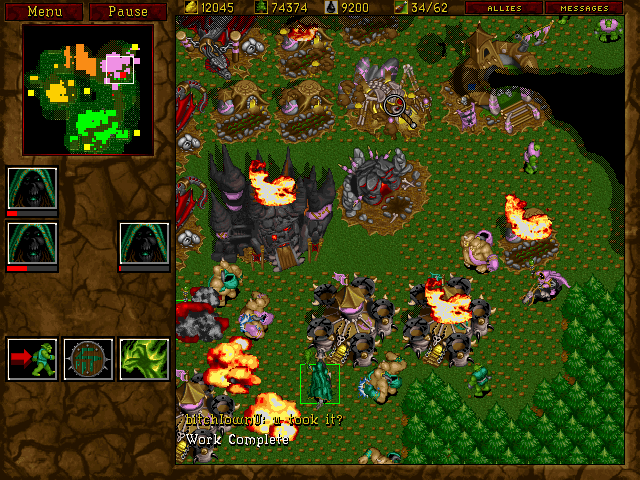
99. Warcraft III (2002, Blizzard Entertainment. PC). The pinnacle of Blizzard's RTS lineage. If only they still made them...
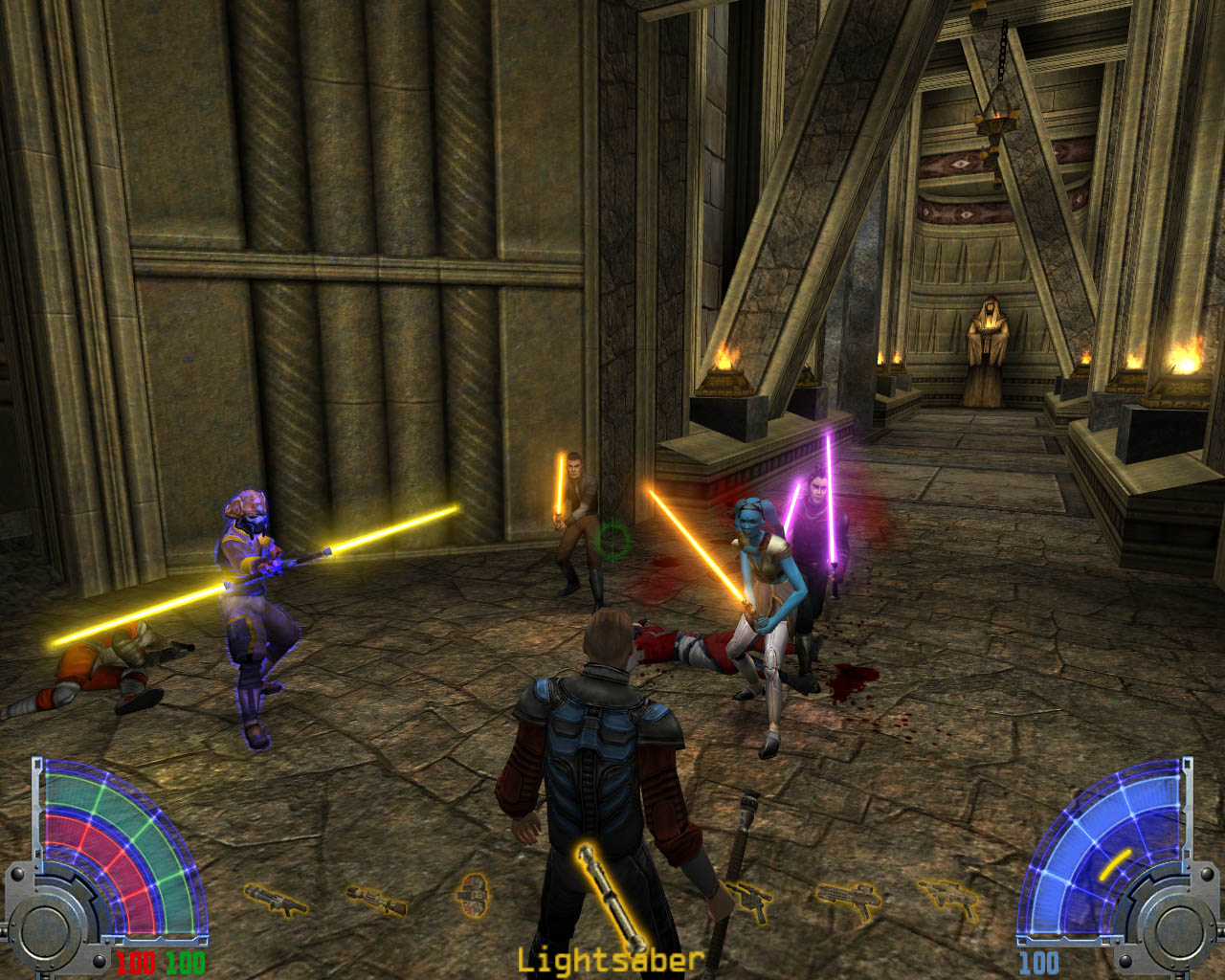
98. Star Wars: Jedi Knight 2- Jedi Outcast (2002, Raven Software, Gamecube). As sleek and seamless as lightsaber fighting goes, along with an important early console multiplayer system.
97. Soul Calibur V (2012, Project Soul, 360). The latest iteration of what once was the freshest breath in fighting games is still better than most fighting games, even if the seams are definitely showing.
96. Quake III: Arena (1999, id Software, PC). The "undisputed grandaddy of online shooters" played like a relic in 2006. Still, it's influence is hard to overstate.
95. Banjo-Kazooie (1998, Rare, N64). One of that rarest of groups: a children's game that doesn't treat children like complete idiots. Rare at their peak.
94. Duke Nukem 3D (1996, 3D Realms, PC). Duke Nukem might be a punchline now, but when DN3D came out, the joke was on whoever had to follow him.
93. Fable II (2008, Lionhead Studios, 360). The second and worst of the misbegotten Fable games still has its moments of withering, Britishy charms.
92. Soul Calibur IV (2008, Project Soul, 360). Similar to SCV, except in the fact that it's easily a better game. Fighting games still don't get much better.
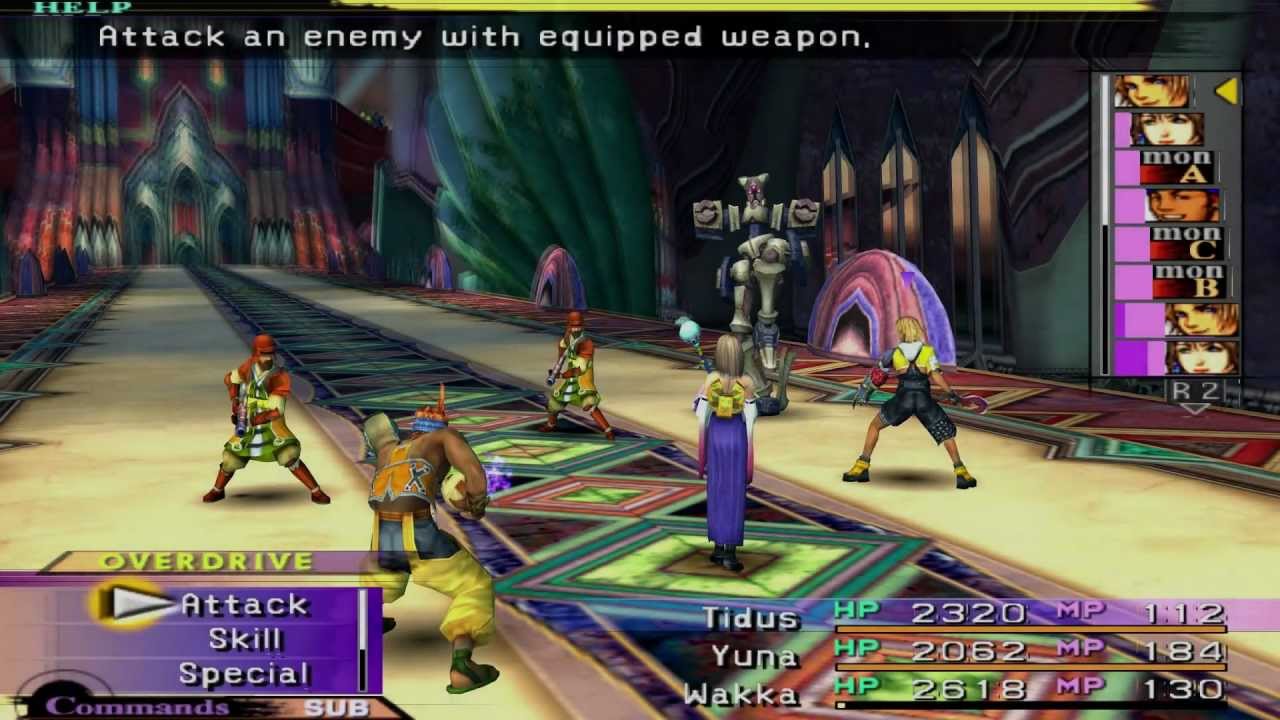
91. FFX-2 (2003, SquareEnix, PlayStation 2). Something of a pariah in a series not known for being universally loved, Ten Two might have had the best combat system of them all. Which is saying something.
90. Fable III (2011, Lionhead Studios, 360). The latest and last(?) of the core Fable games takes an interesting premise and undercuts it with a full blown monarch sim. A welcome surprise for the series.
89. Left 4 Dead 2 (2009, Valve, 360). There's a dead horse somewhere being kicked that relates to this game. Still, it's Valve, and even Valve's detritus looks like solid gold in the right light.
88. Hitman: Blood Money (2006, Eidos, 360). The only Hitman game I've ever really "gotten" remains one of the most open and unruly games I've ever played.
87. Unreal Tournemanet (1999, Epic Games, PC). What is the original Unreal, despite being eternally compared to Quake III? Well, it's better, for one thing.
86. Left 4 Dead (2008, Valve, 360). The fact that what amounts to a programming experiment became a top-flight zombie game is just as strange as the fact that I didn't love it.
85. Fable (2004, Lionhead Studios, XBOX). The original Fable promised the moon and gave you a really nice picture of the moon that you could buy some land on.
84. NBA 2k13 (2012, 2k Sports, 360). The most recent entry in what is increasingly the only sports franchise worth mentioning is still really, really hard to play.
83. Assassin's Creed (2007, Ubisoft, 360). A great premise wears thin almost immediately due despite a wonderful movement system. Seeds for something more are planted.
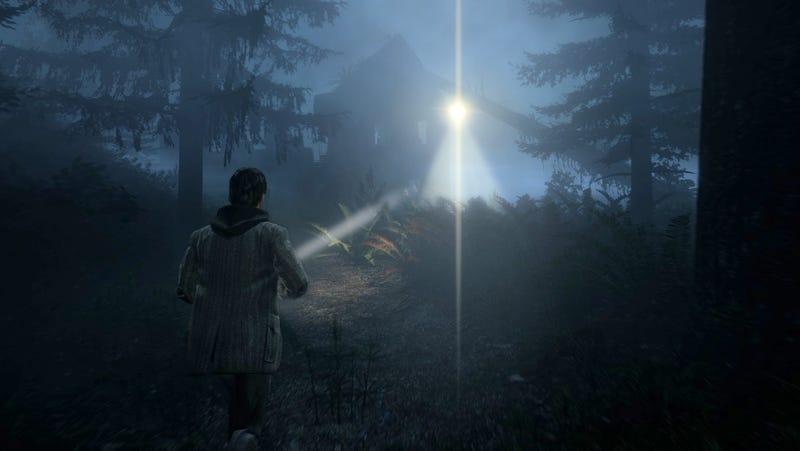
82. Alan Wake (2010, Remedy, 360). Moments of sheer brilliance overlap with moments of profound inanity. I'm so glad Remedy is making games again.
81. Resident Evil 5 (2009, Capcom, 360). Not quite survival horror, not quite cooperative, Resident Evil 5 exists in a strange sort of limbo that makes it very hard to grade. This feels right, though.
80. NBA 2k11 (2010, 2k Sports, 360). Michael Jordan's triumphant return to the digital realm still stands untouched in the sports game genre.
79. Assassin's Creed: Revelations (2011, Ubisoft, 360). The weakest of the "Ezio Trilogy" trails off in the final third, but then again, that was the point.
78. Max Payne 2: The Fall of Max Payne (2003, Remedy, XBOX). Ditches its predecessor's psychological flair in favor of even more pulp noir, and it puts too much stress on Remedy's notoriously hammy dialogue (that I adore).
77 The Elder Scrolls III: Morrowind (2002, Bethesda, XBOX). While this might feel too low for one of the most celebrated games of the last decade, I never really felt a connection to it. And there are some great games on the horizon.
76. Lost Odyssey (2008, Mistwalker Studios, 360). A wonderful trip into the halcyon days of turn-based RPGs, Lost Odyssey is a subtly written gem destined to be forgotten.
75 Half-Life: Opposing Force (1999, Gearbox, PC). That a third-party expansion to one of the most important games of all time is good is not a surprise. That it's never gotten a sequel is.
74. Final Fantasy XIII (2010, SquareEnix, 360). A beautifully constructed crystal paradise with an equally crystalline plotline. No battle system, no matter how great, could have saved this from being merely good.
73. StarFox 64 (1997, Nintendo, N64). The undisputed king of the rail shooter genre has still never received a proper sequel.
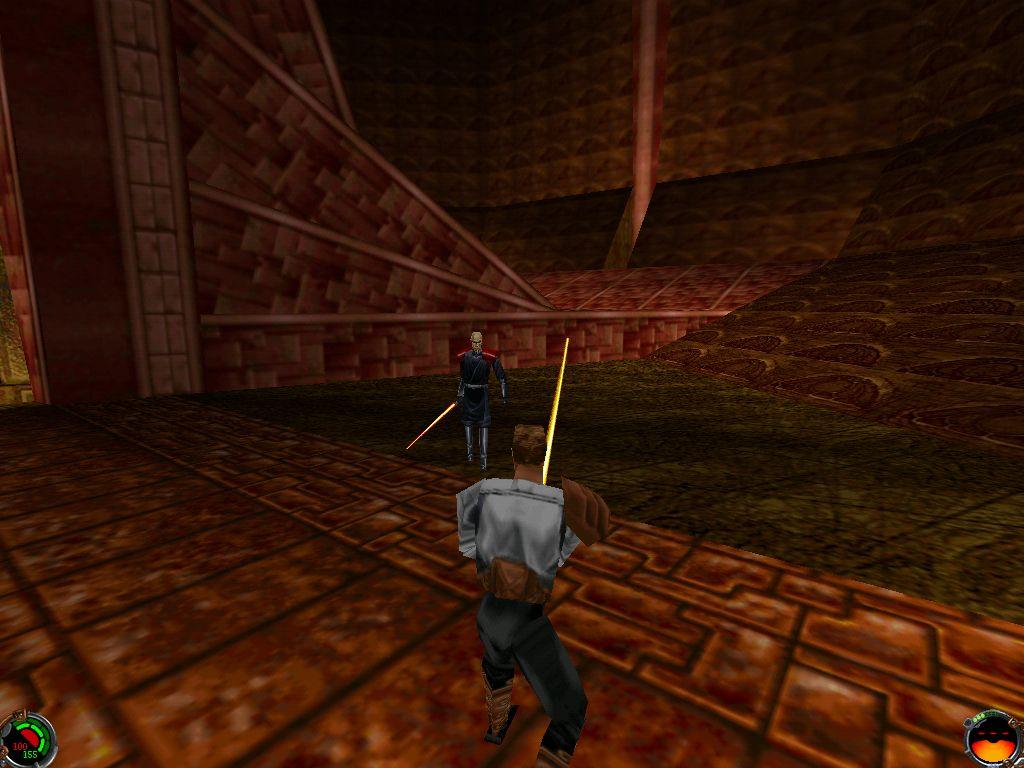
72. Star Wars: Jedi Knight: Dark Forces II (1997, Raven Software, PC). This game's reign as the best Star Wars game ever created lasted all of six years, and it remains strangely playable today.
71. Super Smash Brothers: Brawl (2008, Nintendo, Wii). Does anyone else feel like this series is coasting by on its reputation?
70. The Legend of Zelda: Twilight Princess (2006, Nintendo, Gamecube). A game stuck between consoles is marred by a bevy of strange design choices. But it's still a Zelda game.
69. Final Fantasy XII (2006, Square Enix, PlayStation 2). There were two Final Fantasy games on the PlayStation 2. This was by far the lesser.
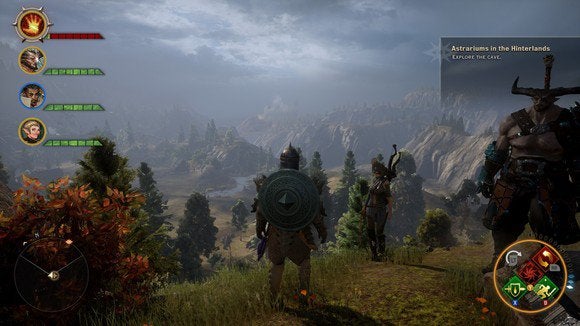
68 Dragon Age II (2011, BioWare, 360). Even a bad BioWare game is more intelligent and engaging than most everything on the market, now and forever.
67. Assassin's Creed: Brotherhood (2010, Ubisoft, 360). What starts a rote sequel evolves into an interesting city warfare sim. And also you can still stab lots of people.
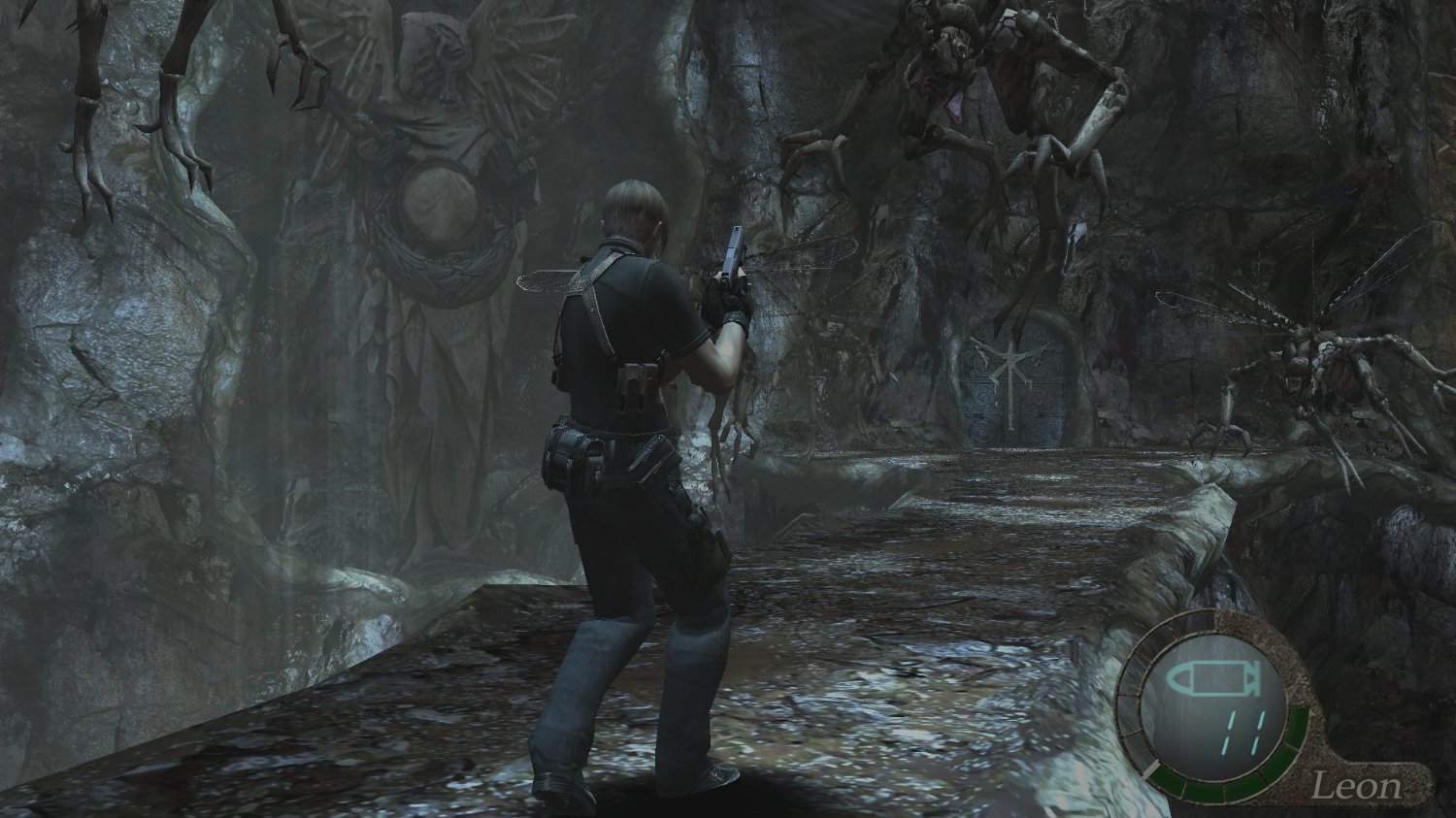
66. Resident Evil 4 (2004, Capcom, Gamecube). This game did for quick time events what T-Pain did for autotune. I still forgive it, because it's really good.
65 Assassin's Creed II (2009, Ubisoft, 360). Despite my reservations about this series and the people who play it, ACII was a generational leap forward over its predecessor.
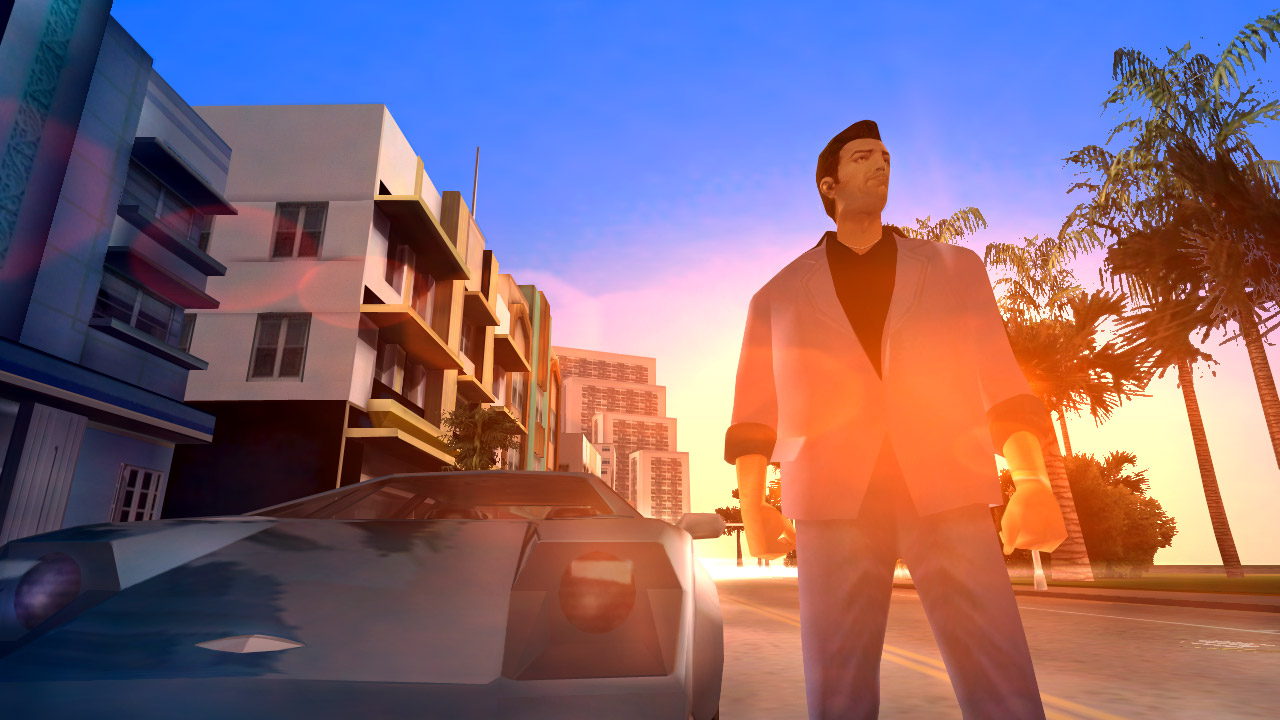
64 Grand Theft Auto: Vice City (2002, Rockstar, PlayStation 2). To truly enjoy Vice City, you need to be a huge fan of Scarface. I am not. This is a good game, but perhaps the one that plays the hardest into the stereotypes surrounding the GTA series.
63 Perfect Dark (2000, Rare, N64). There are people who, to this day, swear by Perfect Dark. I am not one of them. That being said, it was one of the most eminently playable early console shooters.
62 Dead Space (2008, EA Redwood Shores, 360). A disarmingly quiet game. Also one of the truest surprises I can remember having in the last few years.
61 Gears of War 3 (2011, Epic Games, 360). While not the killer app I think Microsoft wanted it to be, the Gears of War trilogy ends on a solid, if uninspired note. Still very good.
60 Sleeping Dogs (2012, United Front, 360). One of the worst conceits in the gaming press is describing a game in terms of previous great games in resembles. Sleeping Dogs is one of the few that truly fits that tag. Despite that, it's a very good game.
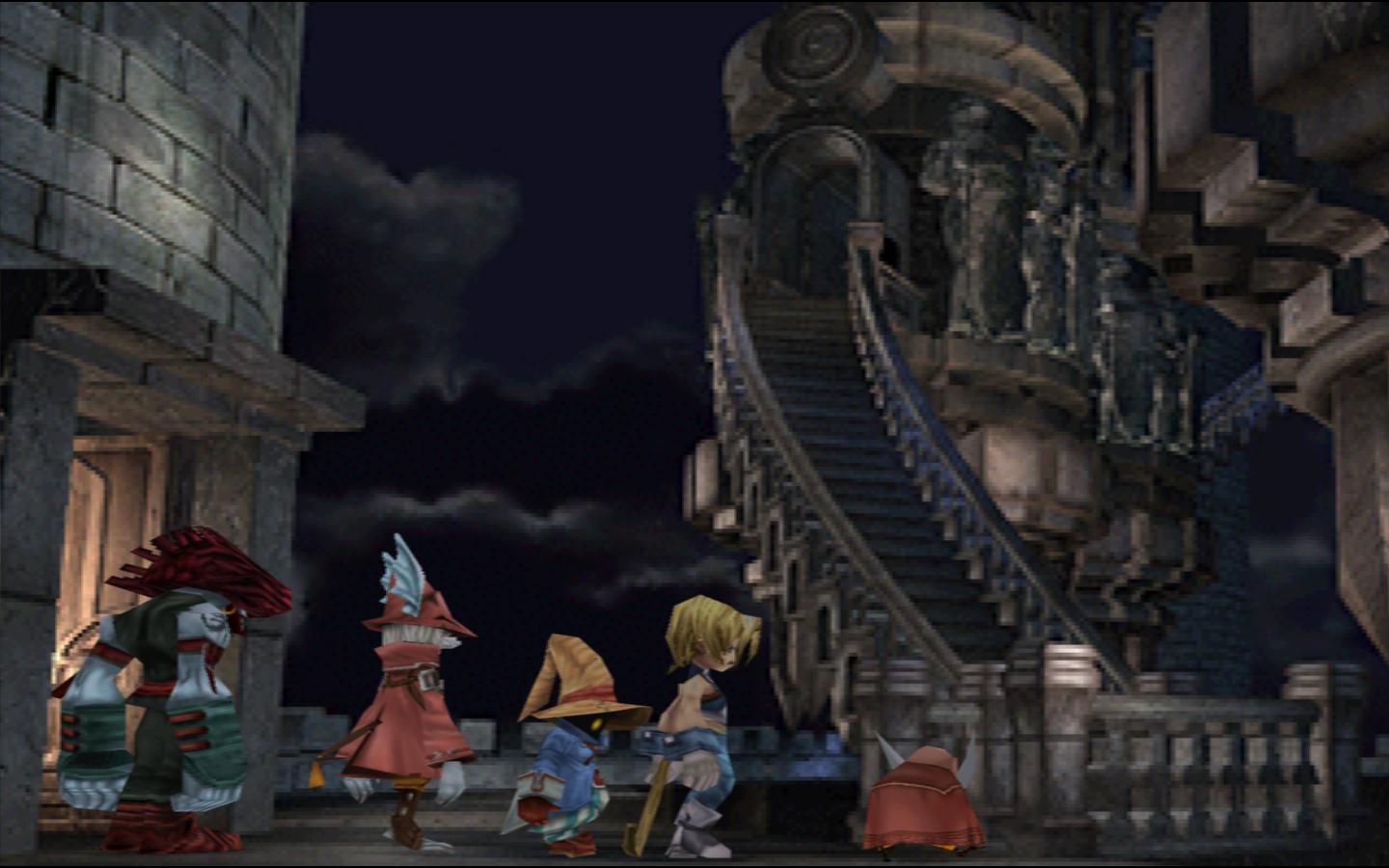
59 Final Fantasy IX (2000, Square, PlayStation). Perhaps the most criminally underrated Final Fantasy game remains criminally underrated on my list. If only half the game weren't so unremarkable.
58 Dragon Age: Origins (2009, BioWare, 360). One of the finest examples in world-building in BioWare's impressive stable, this is a game let down ever so slightly by it's gameplay.
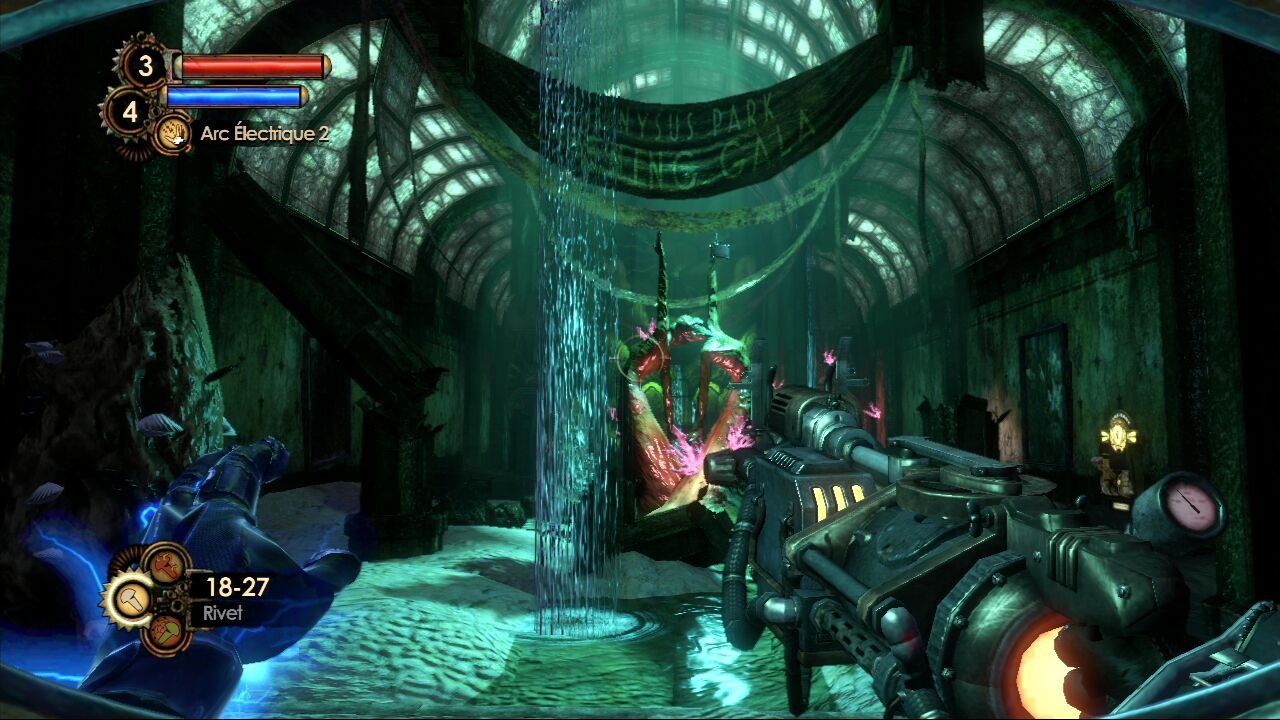
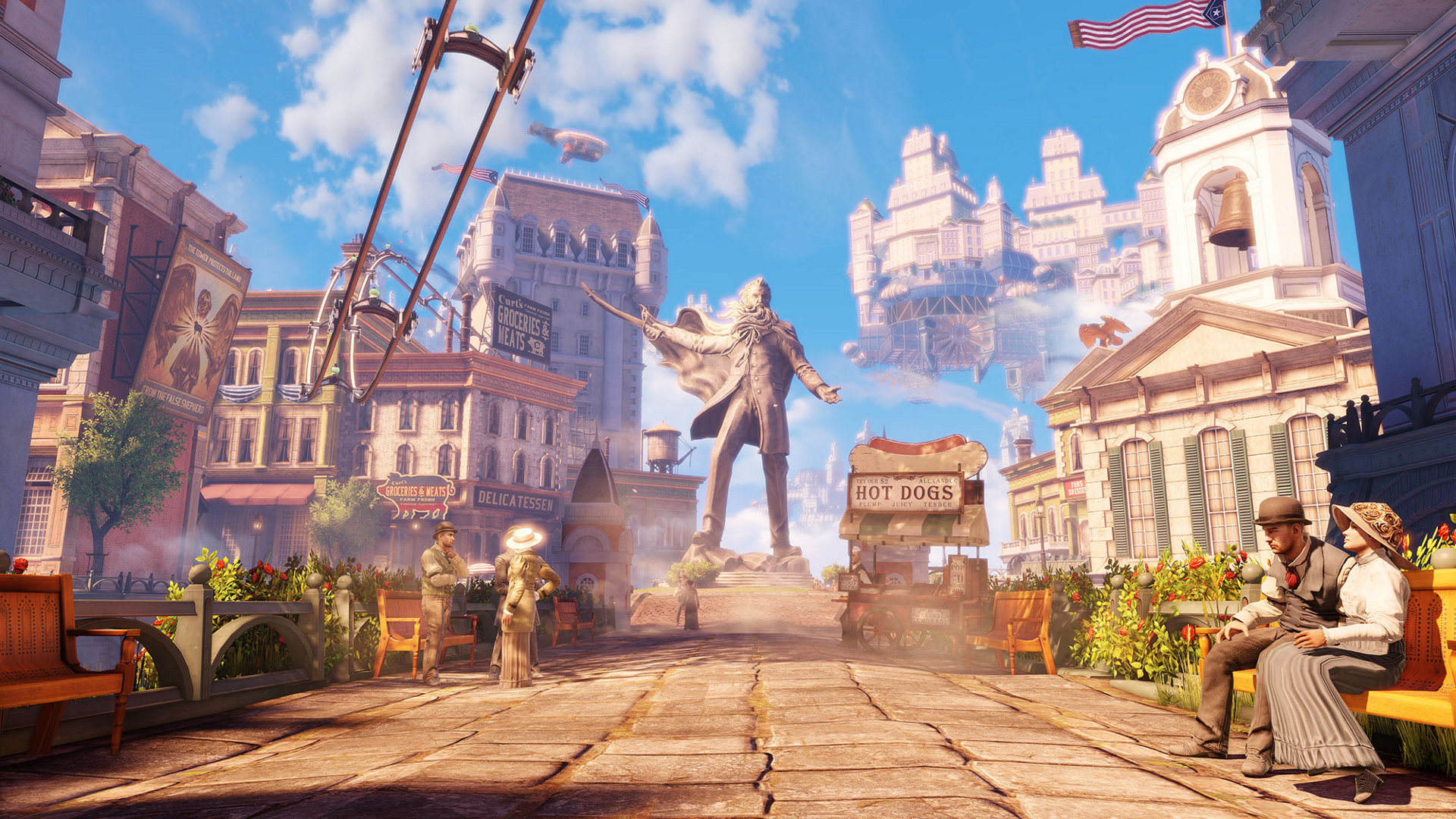
57 BioShock 2 (2010, 2kGames, 360). What I once thought was a wholly unnecessary sequel turned into a surprisingly solid game in all respects, even if Rapture is showing its age a little bit.
56 Diablo III (2012, Blizzard, PC). A dozen years separated entries in Blizzard's most overlooked series, and the product was worse off for it. A new approach was needed, though, if not necessarily achieved.
55 Dead Space 2 (2011, EA Redwood Shores, 360). Is to the first game what Empire Strikes Back is A New Hope. Bigger, badder, scarier and altogether better.
54 Metroid Prime 2: Echoes (2004, Retro Studios, Gamecube). While a lesser game than its predecessor, this sequel manages to successfully straddle the line between unnecessary and revolutionary.
53 Gears of War 2 (2008, Epic Games, 360). The worst (I guess?) of the three Gears of War games, Gears 2 tries its hardest to be bigger and badder, but loses some of its scope in comparison to the original.
52 Final Fantasy VIII (1999, Square, PlayStation). Square's attempt at a more "adult" art style fell a little short, but this remains a worthy piece of the company late era PlayStation golden age.
51 Max Payne 3 (2012, Rockstar, 360). After nearly a decade, so much of what made Max Payne what it is was gone, but just enough familiarity remained to make it a worthy experience.
50 The Legend of Zelda: The Wind Waker (2003, Nintendo, Gamecube). The shitstorm surrounding the reveal of Wind Waker's cel shaded graphics has long faded, and what we're left with is possibly the most charming entry in one of gaming's most charming series.
49 Jade Empire (2005, BioWare, XBOX). A deep, well-realized world? Interesting, affable characters? A wide-scoped plot replete with earth shattering choice? Just another BioWare game. Move along, move along.
48 The Legend of Zelda: Skyward Sword (2011, Nintendo, Wii). I barely got any time with it, but from what I played, I could tell Skyward Sword was a beautiful impressionist interpretation of one of the purest game series in the world.
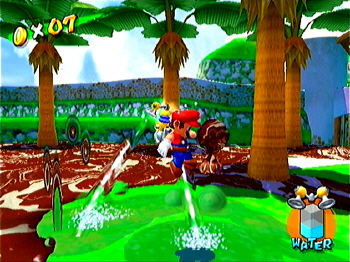
47 Super Mario 64 (1996, Nintendo, N64). The second oldest game on this list is something of a hybrid between the super-simplicity of the SNES era Mario and the retro-simplicity of things like Mario Galaxy, and it remains one of the most playable games in history.
46 Gears of War (2006, Epic Games, 360). Microsoft's first attempt to create a killer app outside of Halo is not without fault, but when it came out, it was as big and mean as anything on the market. Still a refreshingly fluid co-op experience.
45 The Elder Scrolls IV: Oblivion (2006, Bethesda, 360). Few games on this list have dropped more precipitously than Oblivion, which at one point might have been one of my 10 favorite games in history. Just the nature of Bethesda, I guess.
44 GoldenEye 007 (1998, Rare, N64). On the other hand, here's a nearly 15 year old game that can be as fun as it was when first released. This was Rare at the top of their game, when they very nearly won the console war for Nintendo single-handedly.
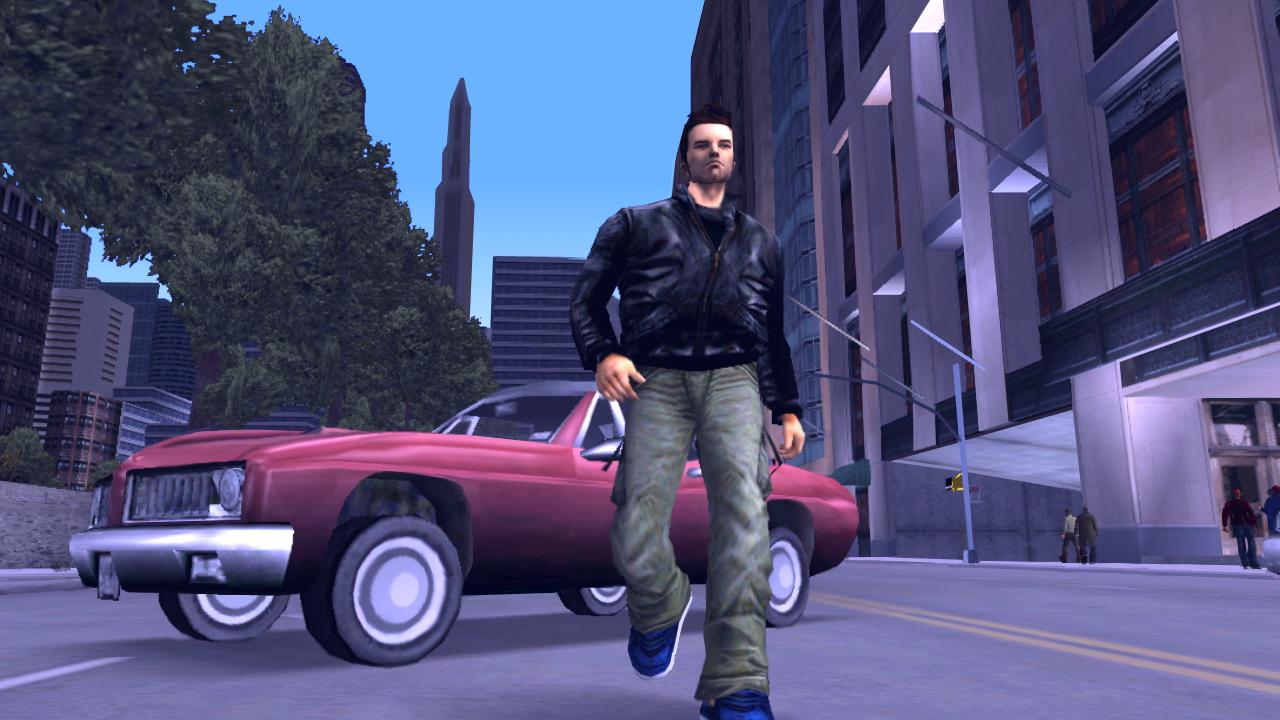
43 Grand Theft Auto III (2001, Rockstar, PlayStation 2). Another groundbreaking game whose age has really caught up with it. The landscape of modern gaming would look drastically different without it, though.
42 Max Payne (2001, Remedy, PC). The original descent into madness is a schizophrenic miasma of melting snow and bullet time. Not for the weak, but if you've never played, I highly recommend this early millennium classic.
41 BioShock (2007, 2kGames, 360). One of the most well realized game worlds is let down by somewhat tepid, predictable gameplay. Still a paragon of the narrative forms unique to video gaming.
40 Metal Gear Solid 2: Sons of Liberty (2001, Namco, PlayStation 2). What some see as a convoluted mess other see as quintessential Kojima. The two are not mutually exclusive.
39 Half-Life 2: Episode One (2006, Valve, PC). The least imaginative core Half-Life game is still more imaginative than 95% of the gaming world. Only reason this is so low is relative length and the strength of what's ahead of it.
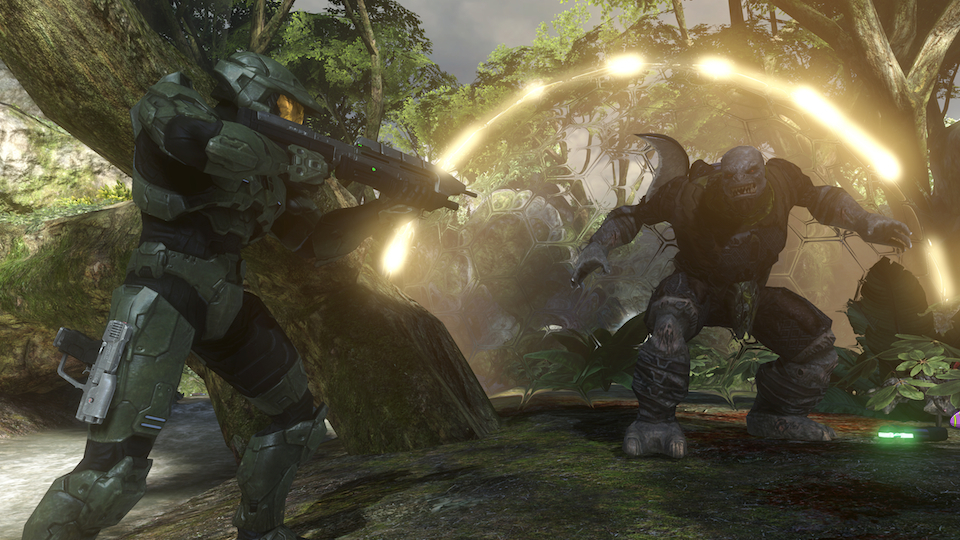
38 Halo 3: ODST (2009, Bungie, 360). The shortest and most experimental Halo game suffers from a lack of respect from people who disregard Halo and a lack of understanding from those who do.
37 Grand Theft Auto: San Andreas (2004, Rockstar, PlayStation 2). Many people will tell you that 2008's GTA IV was a vast downgrade after the free-wheeling explosion fest that was San Andreas. Those people are wrong, but not by much. The pinnacle of the PS2-era GTA games.
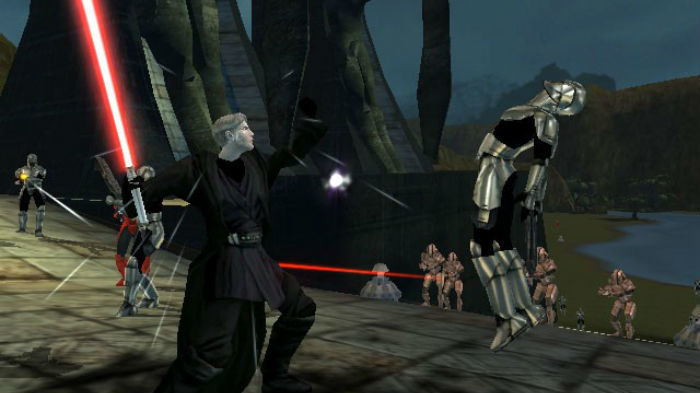
36 Star Wars: Knights of the Old Republic II: The Sith Lords (2004, Obsidian, XBOX). One of the most unfortunately rushed games in recent memory is often unfairly maligned for not having an ending. What's there is a dark, vibrant journey through the seedier side of the Star Wars universe.
35 Fallout: New Vegas (2010, Obsidian, 360). Combined with the game above, just further proof in Obsidian's strange ability to pick up someone else's engine and make a sequel to a great game that in some way outstrips its predecessor.
34 XCOM Enemy Unknown (2012, Firaxis Games, 360). One of the most viscerally challenging games I can remember playing is hampered a little by a nonstarter of a plot. But just a little.
33 Metal Gear Solid (1998, Namco, PlayStation). Kojima's first masterpiece balances the dark and the whimsical as well now as it did fourteen years ago. That's one thing about his games: they never really go out of style.
32 Super Smash Brothers: Melee (2001, Nintendo, Gamecube). Nintendo's ultimate fanwank is as curiously potent a concoction as it was the day it was released. If you find three people to play it with you, it might be the best value money can buy.
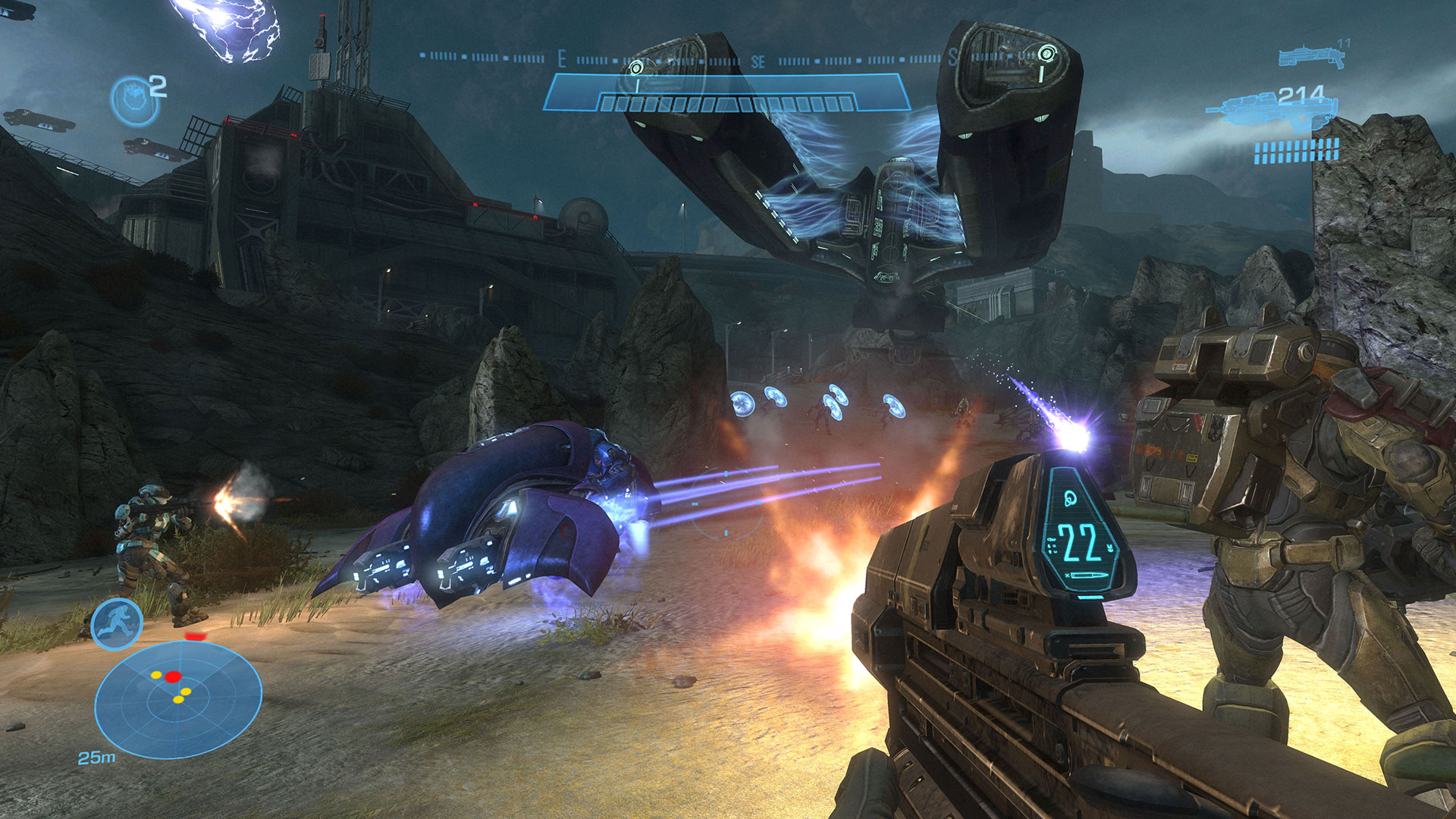
31 Halo: Reach (2010, Bungie, 360). The bleakest and ultimately least essential of the Halo games also doubles as a swan song from the series' original creators.
30 The Elder Scrolls V: Skyrim (2011, Bethesda, 360). The most muscular Elder Scrolls yet is almost one of the most atmospheric games in recent memory, full of anecdotal narratives and a fluidity not seen in modern gaming.
29 L.A. Noire (2011, Team Bondi, 360). Team Bondi's great experiment is not without its faults, but it shines in areas most games aren't even capable of expressing.
28 Team Fortress 2 (2007, Valve, PC). Generally, strictly multiplayer games are a dime a dozen. There is nothing general about TF2.
27 The Legend of Zelda: Majora's Mask (2000, Nintendo, N64). The darkest and most inventive Zelda games is also one of the best, and stands as one of the most overlooked games of the 2000s.
26 Dishonored (2012, Arkane Studios, 360). Some games are only the sum of their parts. Equal parts Deus Ex, Half-Life and BioShock, Dishonored is the rare game that raises above that sum.
25 Half-Life 2: Episode Two (2007, Valve, PC). The most recent Half-Life game (GABBBEEEE) is a marked improvement over its direct predecessor, and does more to engender an actual emotional connection to its characters than most
films can aspire to.
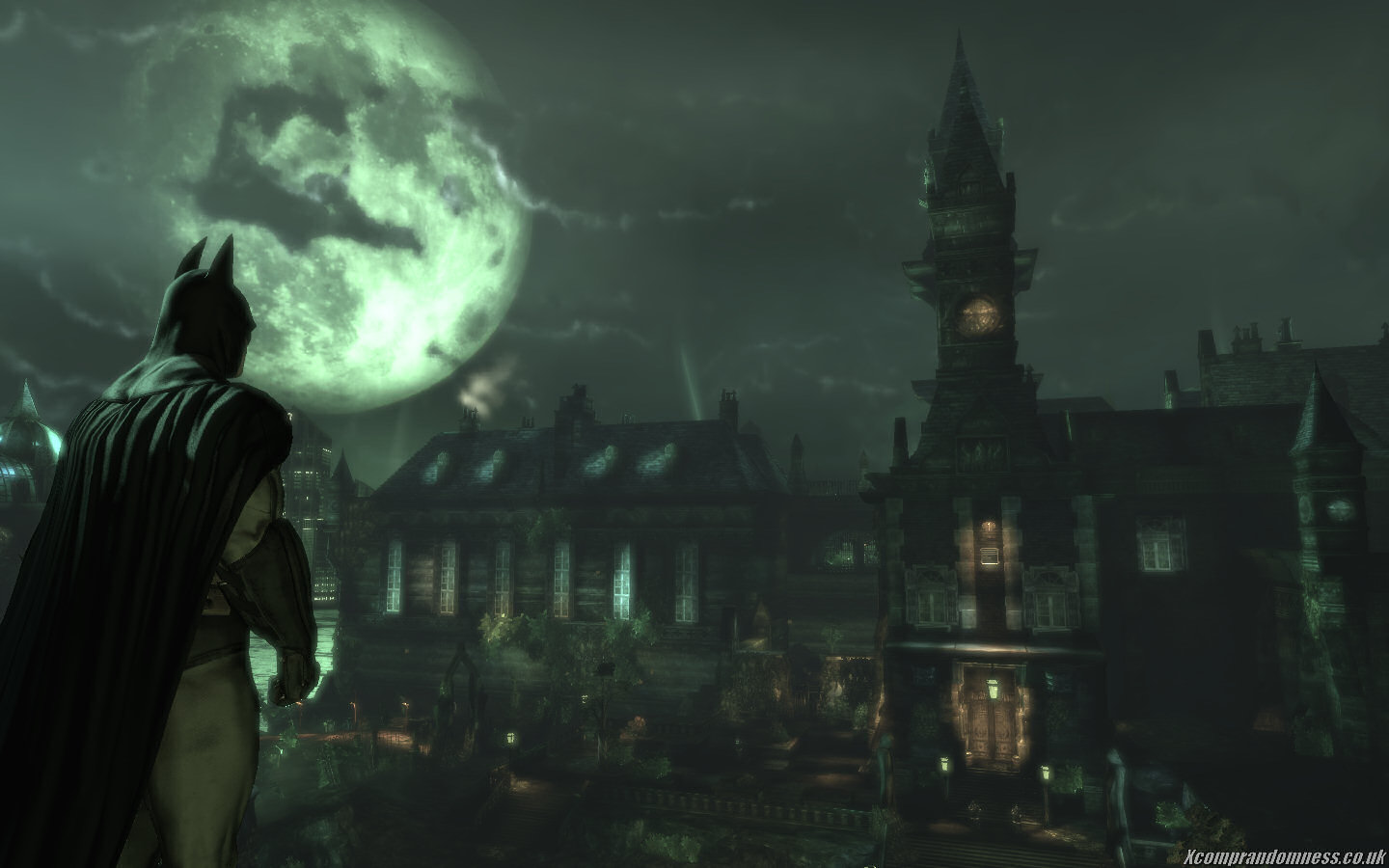
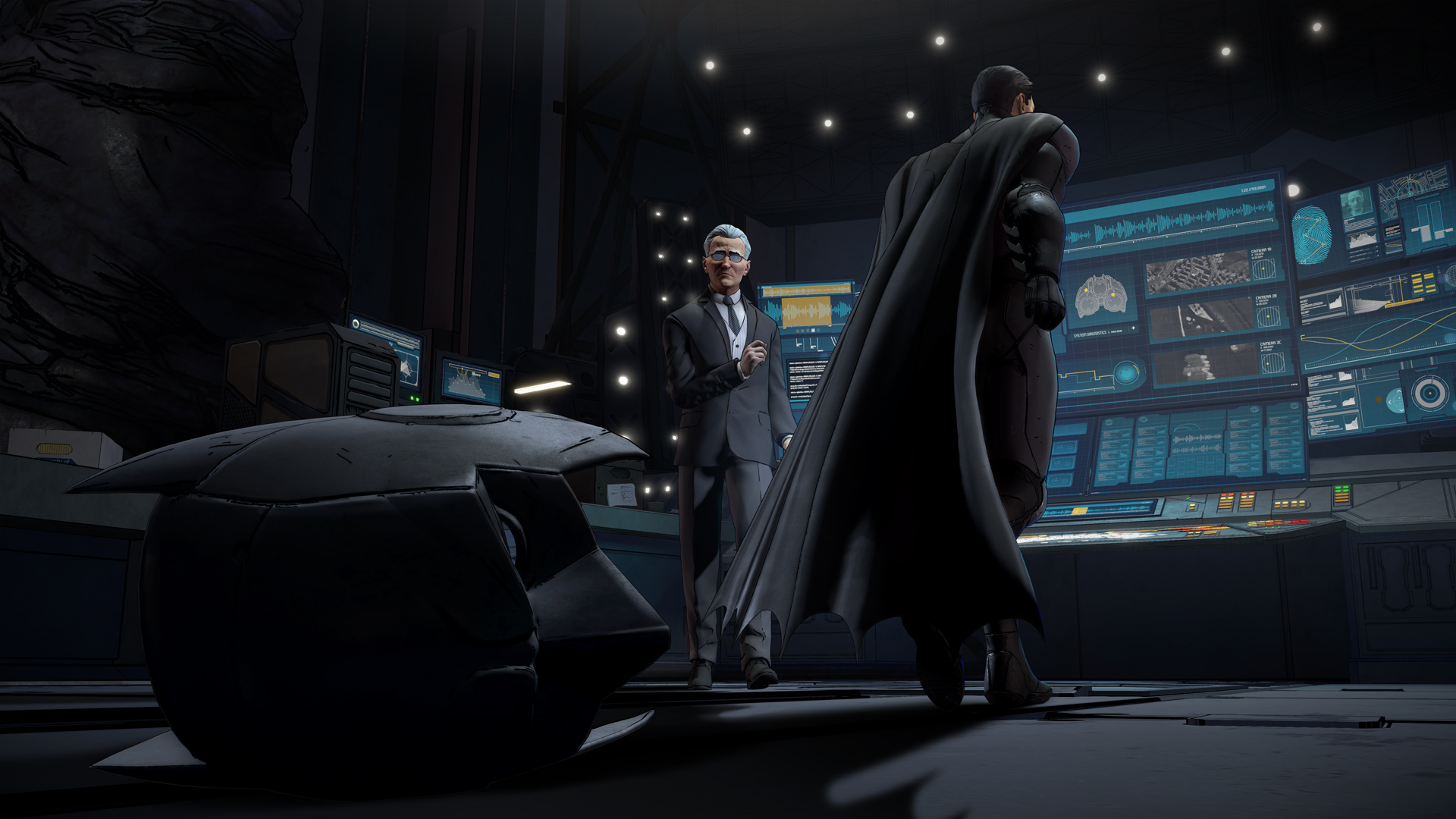
24 Batman: Arkham Asylum (2009, Rocksteady, 360). One of the last decade's most unique surprises is the perfect distillation of the Batman mythos.
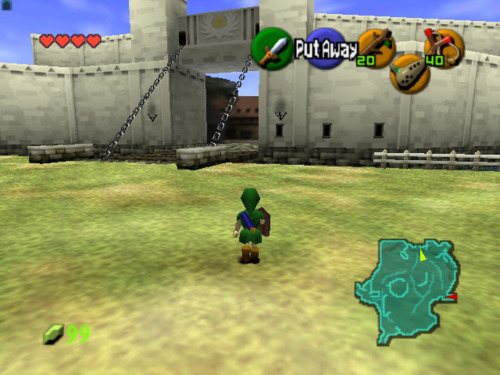
23 The Legend of Zelda: Ocarina of Time (1998, Nintendo, N64). "Pure" is a word thrown around without impunity these days, but if any gaming series deserves such a moniker, it's this one, the first great 3D Zelda.
22 Halo 3 (2007, Bungie, 360). Bungie's Halo triptych is not for most gaming connoisseurs, but where they excel is in their sense of scope. Halo 3 is the climax of that formula.
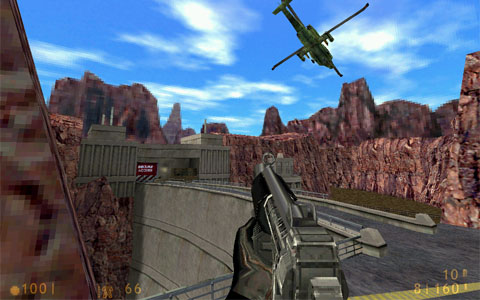
21 Half-Life (1998, Valve, PC). The second oldest game on this list did things that most games companies wish they could do now, almost 15 years later.
20 Batman: Arkham City (2011, Rocksteady, 360). Arkham Asylum was the world's greatest superhero game. Arkham City is something more. Something that transcends its origins and becomes truly great.
19 Metal Gear Solid 3: Snake Eater (2004, Namco, PlayStation 2). The smallest in scope and in plot of all the Metal Gear Solid games is also easily the best, and a game that stands tall in one of the great gaming years of all-time.
18 Halo 2 (2004, Bungie, XBOX). Halo 2 is flawed in ways that no other Halo game is. It also attempted things no other Halo game would dream.
17 Fallout 3 (2008, Bethesda, 360). Bigger, bleaker and better than Oblivion, Bethesda proved once and for all their mastery of the genre they themselves seem to have created.
16 Deus Ex: Human Revolution (2011, Eidos Montreal, 360). This is not a perfect game. For from it. But it has such a clarity of purpose about it, such a unified direction and style that permeates it entirely, that to rank it any lower is a grave injustice.
15 Halo 4 (2012, 343 Industries, 360). 343's franchise takeover from Bungie was smoother than anyone could ever have imagined, and it signals a new, bright day for gaming's preeminent franchise.
14 Mass Effect (2007, BioWare, 360). From a sheer gameplay standpoint, this game is woefully outmatched in the stratosphere of the top 20. But it had a charm about it, a confidence in world-buidling, that still resonates with me in ways the two sequels never truly have.
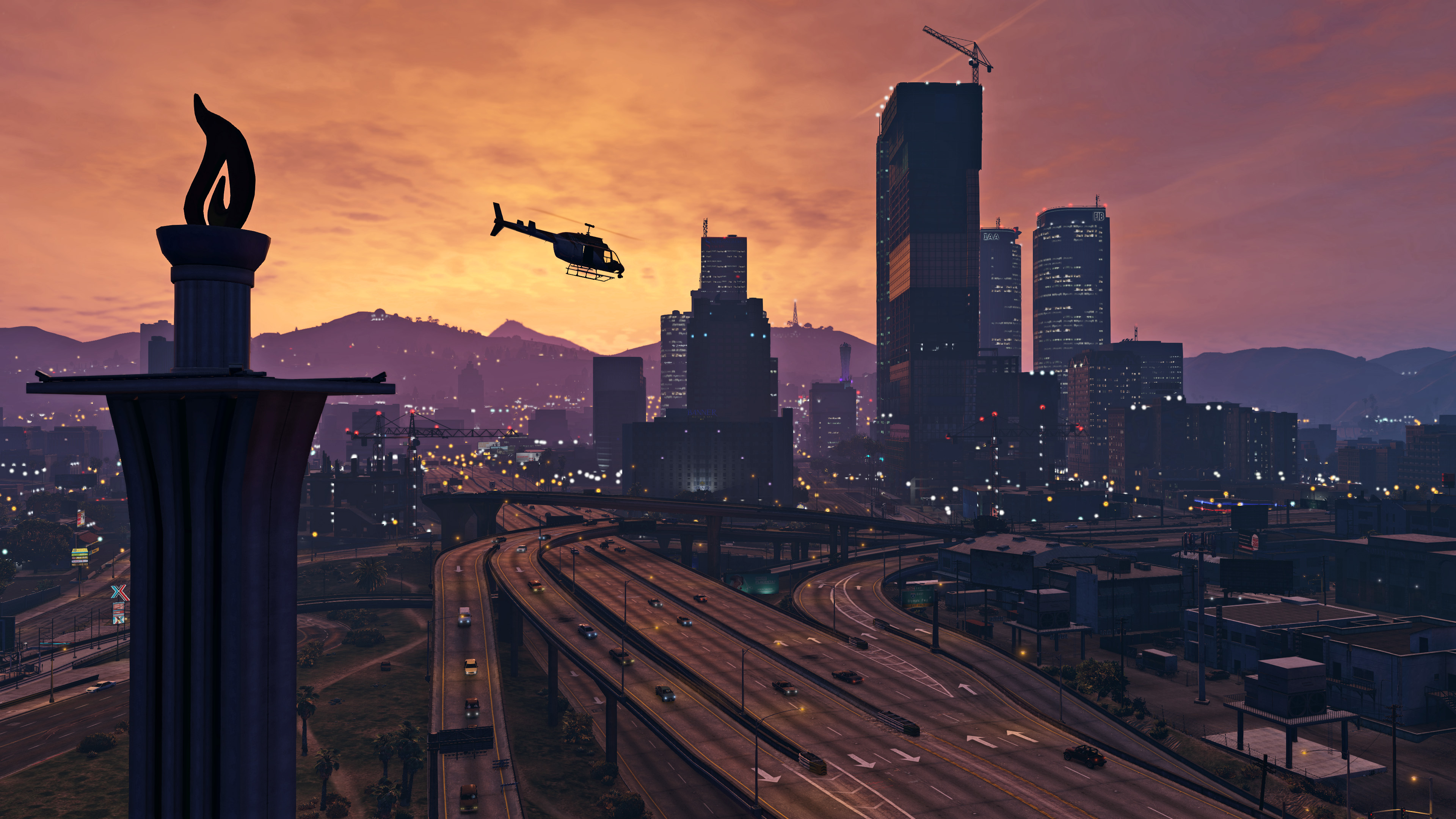
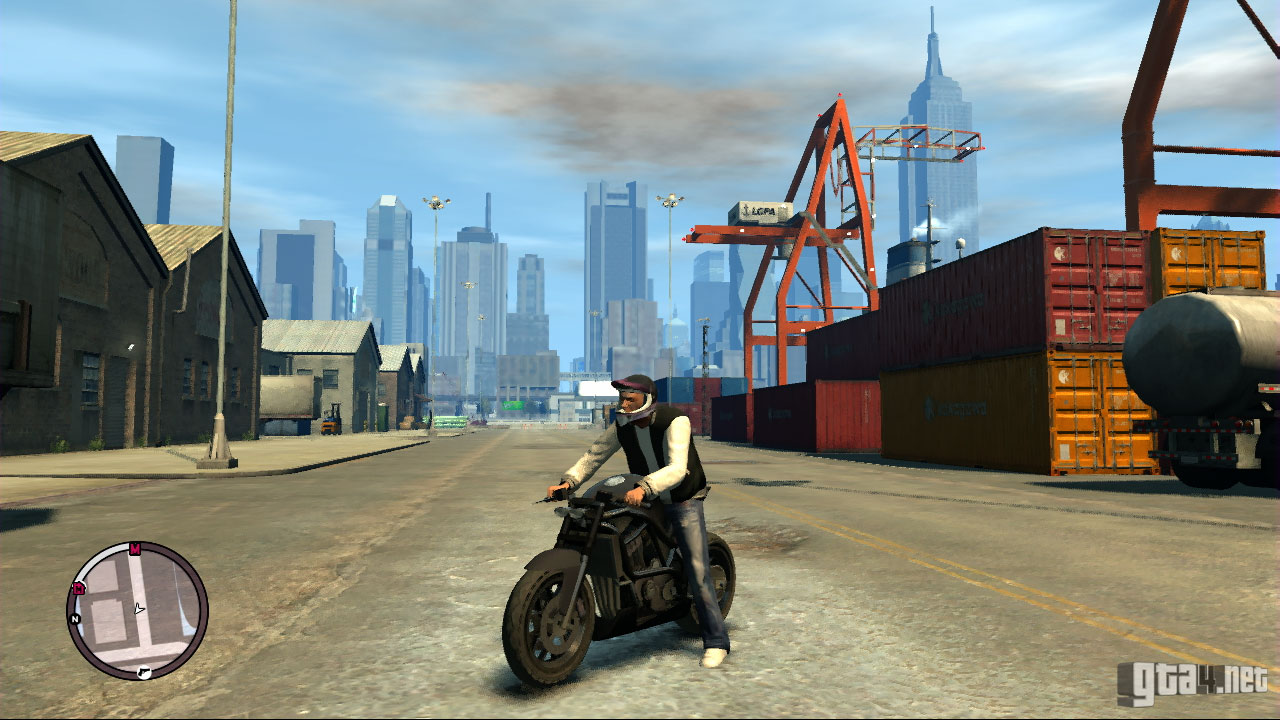
13 Grand Theft Auto IV (2008, Rockstar, 360). It might not be the best game in the world, but it's the best game
about the world, and it sacrificed lost an ounce of Rockstar's trademark insanity.
12 Final Fantasy X (2001, Square, PlayStation 2). The Final Fantasy series' last truly great game is secretly one of the darkest, despite whatever cheery overtones a simple perusal might show.
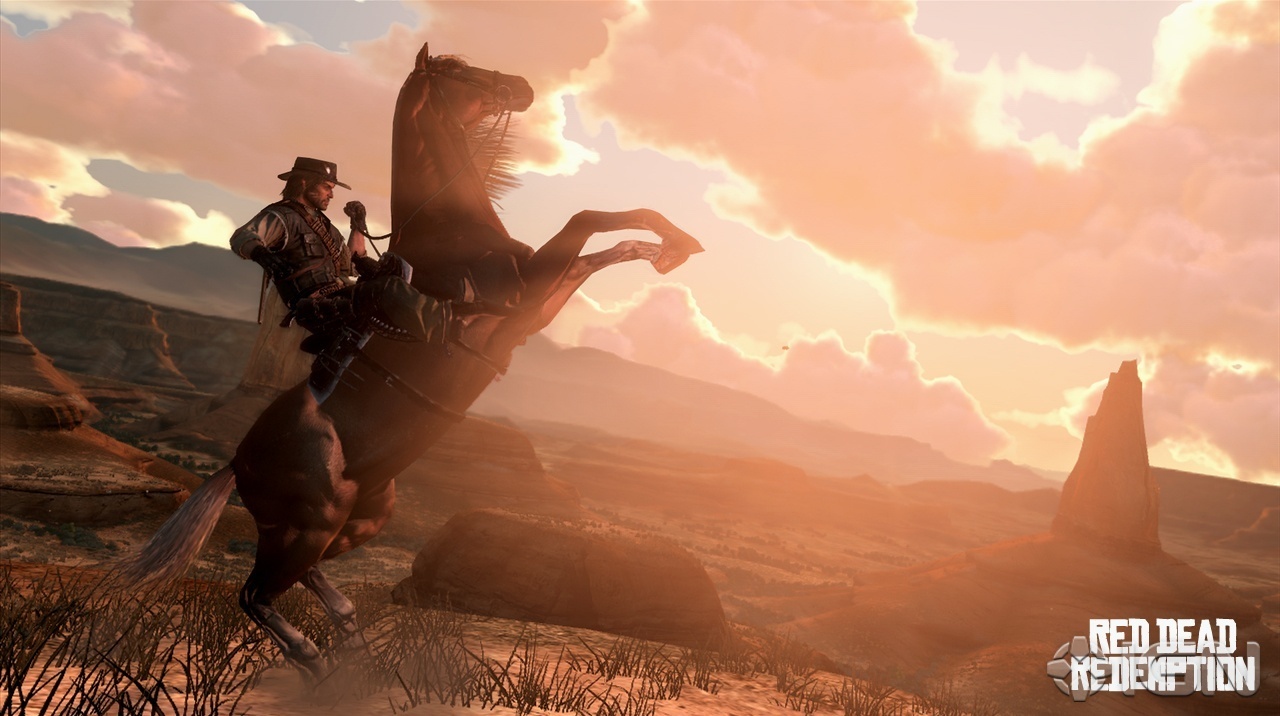
11 Red Dead Redemption (2010, Rockstar, 360). Rockstar's noir-Western masterpiece attained a flair for the dramatic usually reserved for more...reserved games, and remains the studio's greatest achievement.
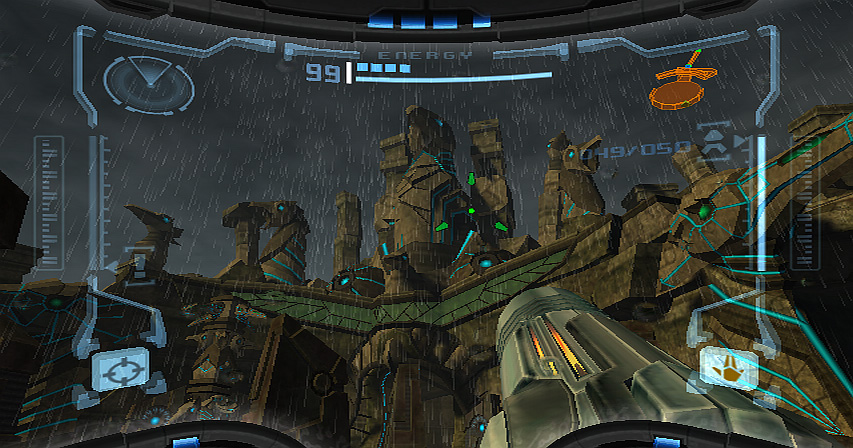
10 Metroid Prime (2002, Retro Studios, Gamecube). Few games have ever been as lovingly designed as Metroid Prime, which ushered the Gamecube into a short-lived relevance as a "big-time" console.
9 Final Fantasy VII (1997, Square, PlayStation). Simultaneously the most overrated and beloved game of the last 20 years, FF7 hits notes most Western games can only dream of, and most Eastern games haven't seen since its release.
8 Diablo II (2000, Blizzard, PC). Hack and slash games don't get more formulaic than this in structure, but the ambiance, sound design and general art style of this game crawl in you and stay. It's been a dozen years, but I'm still not done with D2.
7 Mass Effect 3 (2012, BioWare, 360). The most polarizing game of 2012 has seen scores of fans let a botched final hour ruin what is a uncommonly great game.
6 Halo: Combat Evolved (2001, Bungie, XBOX). There's a sense of cavalier wonder in Halo: CE that feels like the end of one generation and the start of another. It's something I've never seen or felt in any other game in recent memory.
5 Portal 2 (2011, Valve, PC). Valve mastery over the artform is never on better display than it is in Portal 2. Never before has making a great game seemed so effortless.
4 Mass Effect 2 (2010, BioWare, 360). The sequel to the original Mass Effect was one of the great quaity increases in gaming history. And the first game was a great one.
3 Portal (2007, Valve, PC). The shortest, strangest and most experimental game on this list is also one of the most efficient, wondrous and utterly unforgettable.
2 Star Wars: Knights of the Old Republic (2003, BioWare, XBOX). A great many things this game does are extraordinarily subtle, which is not something one associates with Star Wars very often. KOTOR has been out nearly a decade and still continues to amaze.
1 Half-Life 2 (2004, Valve, PC). Every time I think I'm starting to lionize this game, I replay it and remember just how incredibly good it is in essentially all respects. There are no perfect games, but there is Half-Life 2.